

Cryptocurrencies are among the most volatile financial assets, with prices capable of skyrocketing or crashing within hours. Understanding the cryptocurrency price factors is essential for investors and traders aiming to navigate the crypto market effectively. Various elements, such as supply and demand, news sentiment, regulations, and production costs, play a crucial role in determining these price swings. This article explores the core factors influencing cryptocurrency prices and their impact on the market.
Article summary
Key Cryptocurrency Price Factors
1. Supply and Demand in Cryptocurrency
The cornerstone of cryptocurrency valuation lies in supply and demand principles. Scarce assets like Bitcoin, with its fixed supply of 21 million BTC, tend to hold or increase in value as demand rises. For instance, Bitcoin’s price peaked at $68,800 in 2021 due to growing demand amidst limited supply.
However, demand is not always organic; public sentiment plays a huge role. Events such as celebrity endorsements or media coverage create hype that drives demand and influences price. For example, the “Musk Effect” saw Dogecoin’s price spike following tweets from Elon Musk. Conversely, negative publicity or security breaches can dampen demand and depress prices.
2. Cost of Production
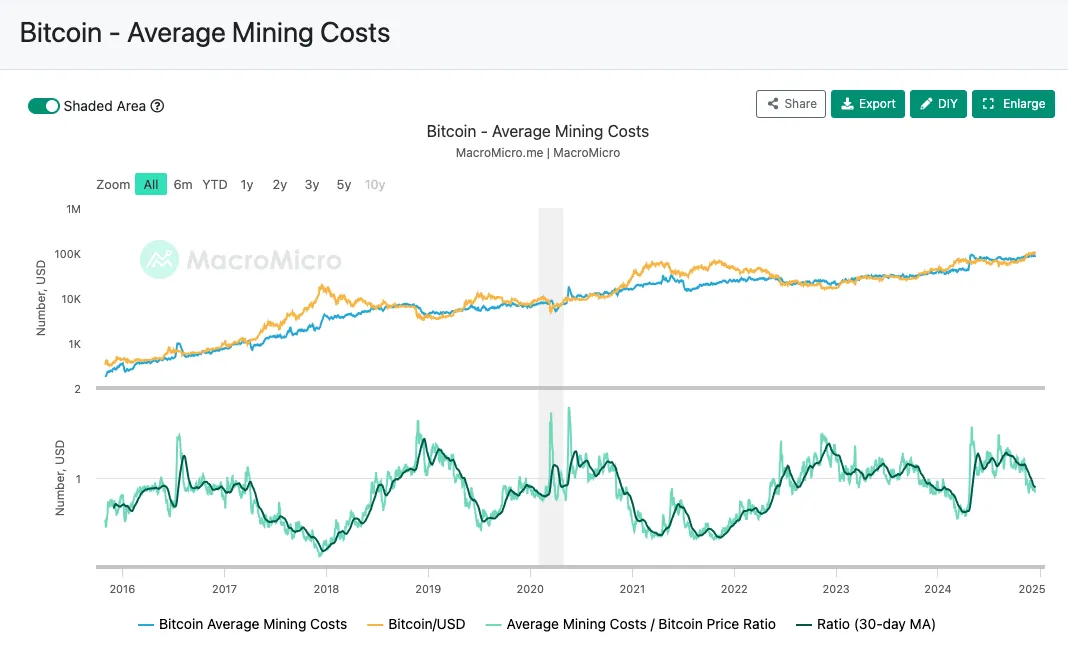 Cryptocurrency production, or mining, requires substantial computational power, energy, and equipment. The higher the cost of mining, the more valuable a cryptocurrency tends to be. Miners are incentivized to maintain blockchain operations only when token values outweigh production costs. This relationship between mining costs and cryptocurrency valuation creates a floor for prices, ensuring long-term profitability for miners.
3. Availability on Cryptocurrency Exchanges
The number of exchanges listing a cryptocurrency affects its liquidity and accessibility. Popular tokens like Bitcoin and Ethereum trade on multiple platforms, making them easily accessible and increasing demand. On the other hand, niche altcoins listed on fewer exchanges face reduced visibility, limiting their adoption and price growth.
4. Competition Among Cryptocurrencies
The cryptocurrency market is highly competitive, with thousands of tokens vying for attention. New projects often emerge with innovative use cases or improved technology, threatening established players. Successful tokens like Ethereum and Solana owe their growth to robust ecosystems, while newer projects may cannibalize the market share of less innovative competitors.
Start earning 60% a year with automated trading Free Sign Up5. Internal Governance and Stability
 Governance structures significantly impact a cryptocurrency’s reliability and adoption. Decentralized networks use governance tokens to involve stakeholders in decision-making. Stable and transparent governance attracts investors, while frequent disputes or delays in protocol upgrades can deter interest and lower prices.
6. Regulations and Legal Requirements
Governments worldwide are imposing regulatory measures to address security and fraud concerns in the crypto market. While regulations can provide legitimacy and protect investors, overly strict rules may stifle adoption. For instance, countries banning cryptocurrency transactions can drive prices down due to decreased accessibility and demand. Conversely, pro-crypto legislation often boosts market confidence and value.
Overbought and Oversold Conditions
Understanding whether a cryptocurrency is overbought or oversold is vital for traders:
- Overbought Tokens: High demand pushes prices above their intrinsic value, often fueled by hype or speculative buying.
- Oversold Tokens: Lack of interest causes prices to fall below their intrinsic value, creating opportunities for savvy investors to buy low and profit when prices correct.
Market sentiment, media attention, and social trends often influence these states, underscoring the importance of staying informed about the crypto ecosystem.
Versatility vs. Equilibrium in Crypto Markets
The crypto market’s inherent volatility is a double-edged sword. While rapid price movements create opportunities for significant rewards, they also pose high risks. True market equilibrium, where supply equals demand, is rare, but this imbalance fuels the excitement and innovation within the cryptocurrency space.
Final Thoughts: Navigating Cryptocurrency Price Factors
Cryptocurrency prices are influenced by a myriad of factors, from fundamental supply and demand principles to external forces like regulations and competition. Understanding these drivers is essential for navigating the volatile crypto market effectively.
By staying informed and leveraging tools like exchange aggregators or market analytics platforms, investors can make educated decisions to capitalize on opportunities while managing risks. Remember, while the crypto market offers immense potential, it requires diligence, patience, and a strategic approach.

With over seven years of experience in trading since 2017, I specialize in cryptocurrency markets while sharing insights through engaging content. Proud to rank among the top 100 most popular analysts on TradingView of all time, I bring a blend of expertise, passion, and actionable strategies to the trading community.