

Cryptocurrency trading involves multiple players, ensuring its smooth daily operations. Among these players, market makers (MMs) play a critical role in providing liquidity and ensuring efficient trading. This article explores the concept of crypto market making, explains the role of market makers, delves into their strategies, and highlights the risks and challenges they face.
Article summary
What Is Market Making in Crypto?
Market making in crypto refers to the process of providing liquidity to cryptocurrency markets by actively buying and selling digital assets. Market makers act as intermediaries, constantly offering bids and asks to facilitate transactions. Their activities ensure market stability and allow traders to execute trades efficiently, even in markets with limited liquidity.
Why Are Market Makers Needed in Crypto?
 The cryptocurrency market is decentralized and fragmented, leading to order book inefficiencies and lower trading volumes than traditional financial markets. This fragmentation can cause limited liquidity and price slippage, making it difficult for traders to execute trades promptly. Market makers address these issues by:
- Providing continuous liquidity
- Narrowing bid-ask spreads
- Reducing price slippage
- Enhancing market efficiency and stability
How Do Crypto Market Makers Work?
Market makers employ advanced algorithms and strategies to monitor trading volume, price movements, and market sentiment. They adjust their bid and ask prices dynamically to maintain a balanced book and attract both buyers and sellers. Profits are generated by capitalizing on the bid-ask spread.
Types of Market Makers
- Human Traders: These professionals manually analyze market trends, assess supply and demand dynamics, and execute trades based on their judgment.
- Automated Systems: Bots are programmed with algorithms to calculate bids and asks based on factors like market trends and order book depth.
- Automated Market Makers (AMMs): Commonly used on decentralized exchanges (DEXs), AMMs utilize smart contracts to provide liquidity for trading pairs, eliminating the need for traditional order books.
Crypto Market Making Strategies
Market makers use various strategies to maintain liquidity and maximize profits:
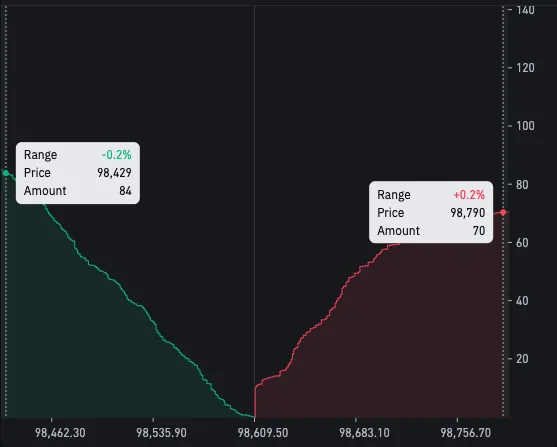
 1. Passive Market Making
- Placing limit orders at specific price levels
- Waiting for other traders to execute against their orders
- Earning profits from the bid-ask spread while minimizing risk
2. Statistical Market Making
- Analyzing historical trading data to predict price movements
- Using algorithms to dynamically adjust quotes based on market conditions
3. High-Frequency Trading (HFT)
- Utilizing advanced algorithms to execute a large number of trades at high speeds
- Profiting from small price discrepancies over short time frames
4. Inter-Exchange Arbitrage
- Exploiting price variations for the same cryptocurrency across different exchanges
- Buying low on one exchange and selling high on another
Key Risks and Challenges of Crypto Market Making
While market making plays an essential role in the crypto ecosystem, it comes with inherent risks and challenges:
Start earning 60% a year with automated trading Free Sign Up
 1. Market Volatility
Significant price swings can expose market makers to potential losses, especially in highly volatile markets.
2. Liquidity Risks
Low liquidity in certain cryptocurrencies can make it difficult for market makers to match buy and sell orders efficiently.
3. Regulatory Uncertainty
Changes in regulations can introduce limitations or disrupt market-making activities.
4. Technical Failures
Connectivity issues or glitches in trading algorithms can disrupt operations and result in losses.
5. Manipulation Risks
Unscrupulous actors may use tactics like spoofing, wash trading, or front running to manipulate prices, creating false market signals and harming traders.
Conclusion
Crypto market making is essential for maintaining liquidity, stabilizing prices, and ensuring efficient trading in the cryptocurrency ecosystem. Market makers—whether human or automated—bridge liquidity gaps and enhance overall market functionality. While challenges such as volatility, liquidity risks, and potential manipulation exist, the role of market makers remains integral to the growth and stability of crypto markets.

With over seven years of experience in trading since 2017, I specialize in cryptocurrency markets while sharing insights through engaging content. Proud to rank among the top 100 most popular analysts on TradingView of all time, I bring a blend of expertise, passion, and actionable strategies to the trading community.