

Crypto market cycles are the heartbeat of the cryptocurrency landscape, shaping the ebb and flow of prices and investor sentiment. Known for their dramatic highs and lows, these cycles drive the market’s extreme volatility, offering both unparalleled opportunities and notable risks. For those new to crypto, understanding these cycles is essential for navigating the unpredictable terrain with confidence.
This article delves into the concept of crypto market cycles, examining their phases, historical patterns, and key insights. By mastering the dynamics of these cycles, investors can position themselves for long-term success, leveraging the market’s natural rhythm to make informed and strategic decisions. Whether you’re a beginner or looking to refine your strategy, understanding crypto market cycles is your gateway to thriving in this ever-evolving space.
Main Takeaways
- Cryptocurrencies, despite their immense potential, are marked by high volatility.
- Understanding crypto market cycles is crucial for navigating the ups and downs and positioning for long-term success.
- This article explores historical trends, key patterns in market cycles, and strategies for managing risk effectively.
Article summary
Understanding Crypto Market Cycles
Crypto markets operate in cycles, driven by a mix of sentiment, external factors, and the inherent dynamics of blockchain technology. Here’s a breakdown of the typical phases:
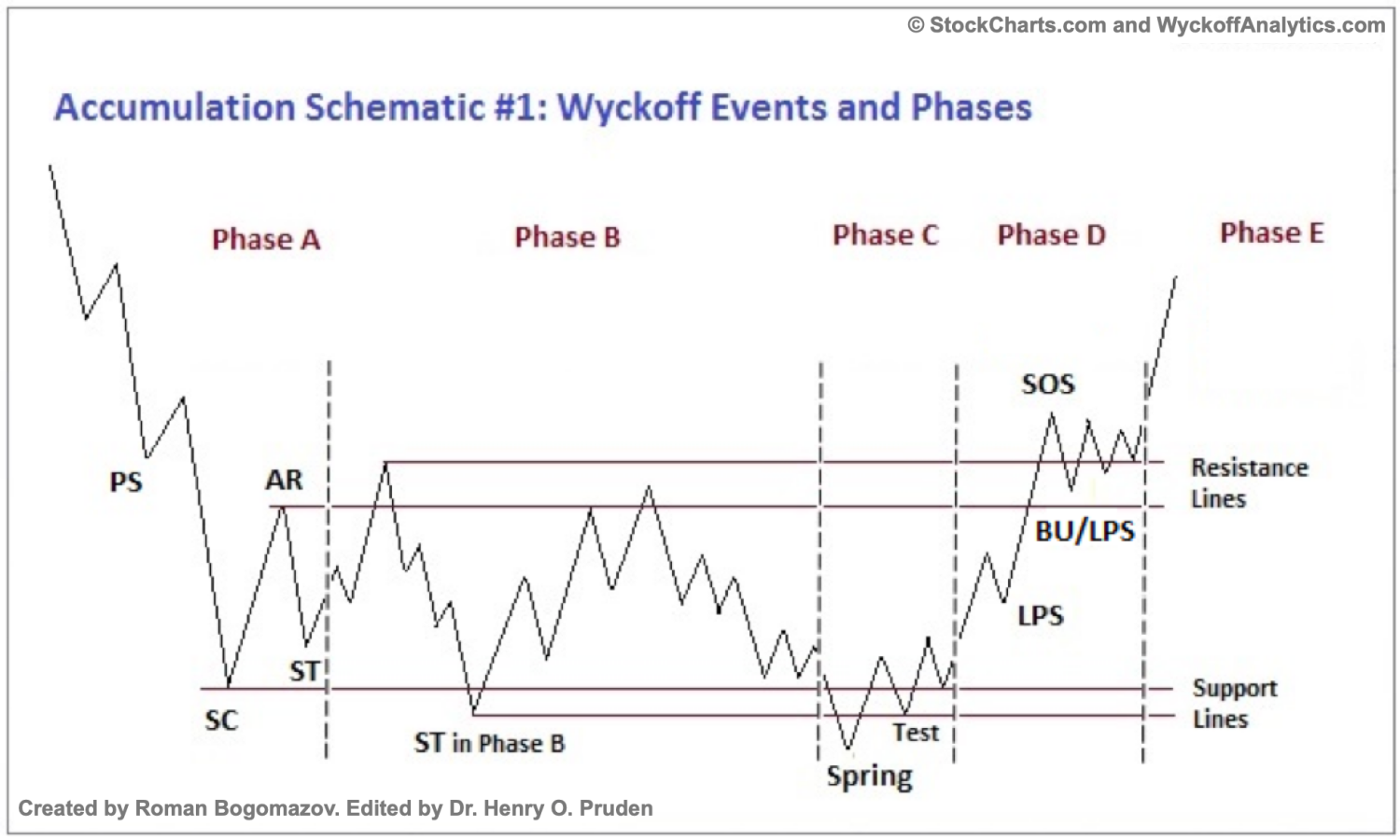
 1. Accumulation Phase
- Occurs at the market’s low point, often following significant declines.
- Savvy investors begin entering the market, purchasing assets at discounted prices.
2. Bull Market
- Characterized by increasing optimism and rising prices.
- Demand outpaces supply as more investors join, often leading to speculation-driven peaks.

 3. Distribution Phase
- The market stabilizes after reaching a peak.
- Larger players, including whales, start offloading their holdings, causing price stagnation or gradual declines.
4. Bear Market
- Marked by falling prices and negative sentiment.
- Often presents opportunities to buy undervalued assets, though caution is required as pessimism dominates.
Historical Cycles: 2008–2024
The Early Years (2008–2012)
- Highlights: Bitcoin emerged as the pioneer of digital assets but remained niche.
- Volatility: Prices fluctuated dramatically due to low adoption and liquidity.
2013: Bitcoin’s First Major Bull Market
- Bull Phase: BTC surged from $13 to $1,100 by year-end.
- Bear Phase: A crash followed, with BTC falling to $200 by early 2015.
2017: The Crypto Boom
- Bull Phase: BTC climbed from $1,000 to $20,000; altcoins like ETH gained even more.
- Bear Phase: By 2018, BTC dropped to $3,200, and many speculative projects failed.
2020–2021: Institutional Adoption
- Bull Phase: Fueled by institutional interest, BTC rose to $69,000 in late 2021.
- Bear Phase: Macro factors and collapses (e.g., Terra-Luna) drove BTC to $16,000 in 2022.
2023–2024: Recovery and New Peaks
- Recovery: BTC surpassed $35,000 by late 2023.
- Peak: In November 2024, BTC reached $99,830, driven by renewed optimism and pro-crypto regulatory sentiment.
Key Insights from Market Cycles

 1. Sentiment Drives Markets
- Bull markets are fueled by optimism, while fear and uncertainty dominate bear markets.
2. Bitcoin Halving Events
- Historically trigger bull markets months after occurring due to supply reductions.
3. External Factors
- Regulatory shifts, technological advancements, and macroeconomic trends significantly impact market direction.
Navigating Crypto Market Cycles
1. Dollar-Cost Averaging (DCA)
- Invest a fixed amount regularly to mitigate short-term volatility.
2. HODL Strategy
- Commit to long-term holding to benefit from overall upward trends.
3. Focus on Utility
- Prioritize projects solving real-world problems with strong community backing.
4. Stay Informed
- Keep updated on market trends, regulatory developments, and technological changes.
5. Risk Management
- Diversify your investments and allocate only what you can afford to lose.
Final Thoughts
Crypto markets are inherently cyclical, reflecting the ebb and flow of sentiment, innovation, and macroeconomic influences. Understanding these cycles is key to navigating the volatility and making informed investment decisions. By embracing strategies like dollar-cost averaging, focusing on long-term holding, and prioritizing projects with real-world utility, investors can better weather the ups and downs of the market.
Remember, success in the crypto space requires patience, risk management, and continuous learning. Crypto is a long game, and those who remain informed and adaptable are best positioned to seize opportunities and thrive in this dynamic and evolving landscape.

With over seven years of experience in trading since 2017, I specialize in cryptocurrency markets while sharing insights through engaging content. Proud to rank among the top 100 most popular analysts on TradingView of all time, I bring a blend of expertise, passion, and actionable strategies to the trading community.
Start earning 60% a year with automated trading Free Sign Up