

Crypto market sentiment plays a pivotal role in shaping price movements and investor behavior in the dynamic world of cryptocurrencies. It reflects the collective emotions, perceptions, and attitudes of traders and investors toward the market at any given time. Understanding and analyzing market sentiment can provide valuable insights, helping traders anticipate trends, manage risks, and make informed decisions in a volatile environment. This guide delves into the fundamentals of market sentiment, key indicators, and strategies to navigate the ever-evolving crypto landscape effectively.
Article summary
Main Takeaways
- Market sentiment is influenced by social media dynamics, news cycles, market analytics, and significant events.
- Investor sentiment plays a crucial role in cryptocurrency prices and trading behavior.
- Effective strategies include monitoring sentiment indicators, practicing risk management, and prioritizing long-term goals during market volatility.
- Traders must navigate price fluctuations driven by sentiment while considering risks like market manipulation and regulatory changes.
What Is Crypto Market Sentiment?
Crypto market sentiment represents the collective emotions and attitudes of investors and traders toward the cryptocurrency market. It encompasses perceptions of market conditions, future price trends, regulatory changes, and technological advancements, shaping decisions to buy, sell, or hold cryptocurrencies.
Sources of Market Sentiment
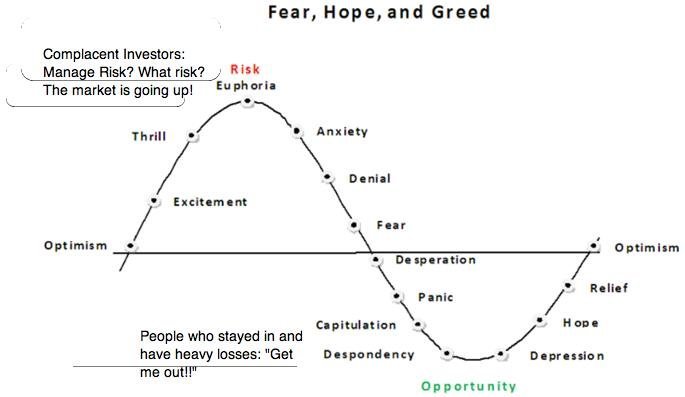 Market sentiment is shaped by a range of factors that directly or indirectly affect investor confidence and decision-making. These include:
- Social Media: Influences public perception through discussions, trends, and opinions about cryptocurrencies.
- News Cycles: Headlines about regulations, hacks, or partnerships often trigger strong market reactions.
- Market Analytics: Data-driven insights into volume, market cap, and price movements guide sentiment analysis.
- Significant Events: Developments like ETF approvals, exchange listings, or major hacks influence sentiment and prices.
Impact of Market Sentiment
1. Price Volatility
Positive sentiment can lead to buying pressure and price surges, while negative sentiment may result in sell-offs and declines.
2. Investor Behavior
Sentiment shapes confidence, risk appetite, and trading strategies, influencing whether investors adopt aggressive or cautious approaches.
3. Market Trends
Persistent sentiment trends often dictate long-term market direction, influencing asset valuations and market capitalization.
Start earning 60% a year with automated trading Free Sign Up8 Key Market Sentiment Indicators

 1. Fear and Greed Index
This measures investor sentiment from extreme fear to extreme greed, using factors like volatility, trading volume, and social media activity.
2. Trading Volume
High trading volume reflects robust investor interest, often signaling strong sentiment, while low volume may indicate caution.
3. Market Capitalization
The total value of a cryptocurrency (price × total supply) helps gauge market confidence in a specific asset or the overall market.
4. Crypto Futures Open Interest
Tracks the total number of open contracts in crypto futures markets, signaling investor expectations for future price movements.
5. Google Trends
Analyzing search trends for crypto-related keywords reveals public interest and emerging sentiment patterns.
6. On-Chain Metrics
Metrics like active addresses, transaction volume, and HODLer activity show market behavior and investor confidence.
7. Regulatory Developments
News about crypto regulations directly impacts sentiment, either boosting confidence or causing uncertainty.
8. Volatility Index
This measures price fluctuations to reflect market stability or turbulence, helping traders anticipate sentiment shifts.
Guidelines for Managing Market Sentiment
1. Conduct Independent Research
Rely on multiple sources to verify information and avoid being misled by market noise or false narratives.
2. Monitor Sentiment Indicators
Keep an eye on data-driven tools like the Fear and Greed Index, trading volumes, and on-chain metrics to make informed decisions.
3. Stay Adaptable
Market sentiment can change rapidly. Incorporate flexibility into your strategies and adjust based on evolving trends.
Suggested Sentiment Analysis Tools for Crypto
To effectively track and analyze crypto market sentiment, here are some recommended tools:
- Santiment: Offers insights into on-chain metrics, social media trends, and developer activity.
- LunarCrush: Tracks social media sentiment and engagement for various cryptocurrencies.
- TheTIE: Provides sentiment analysis using proprietary algorithms and data from news, social platforms, and trading volumes.
- Glassnode: Focuses on on-chain metrics to reflect market activity and sentiment.
- Crypto Fear and Greed Index: A comprehensive sentiment indicator combining data from multiple sources.
Closing Words
Mastering crypto market sentiment is an essential skill for any trader looking to succeed in the fast-paced cryptocurrency space. By leveraging sentiment indicators, staying informed about market trends, and maintaining a balanced approach, you can navigate volatility with confidence. Remember, while sentiment analysis provides valuable insights, it should always be combined with solid research and sound risk management strategies. With the right tools and mindset, you can turn market sentiment into a powerful asset on your trading journey.

With over seven years of experience in trading since 2017, I specialize in cryptocurrency markets while sharing insights through engaging content. Proud to rank among the top 100 most popular analysts on TradingView of all time, I bring a blend of expertise, passion, and actionable strategies to the trading community.