

Article summary
Introduction
Cryptocurrencies have been a game-changer in the financial landscape since the inception of Bitcoin in 2009. Despite their growing adoption and influence, cryptocurrencies remain shrouded in myths and misconceptions. These myths can mislead potential investors, spark unnecessary skepticism, and overshadow the revolutionary impact of blockchain technology. This article explores and debunks the top cryptocurrency myths, providing clarity for both new and seasoned investors.
What Are the Top Cryptocurrency Myths?
Myth 1: Cryptocurrencies Have No Real Value
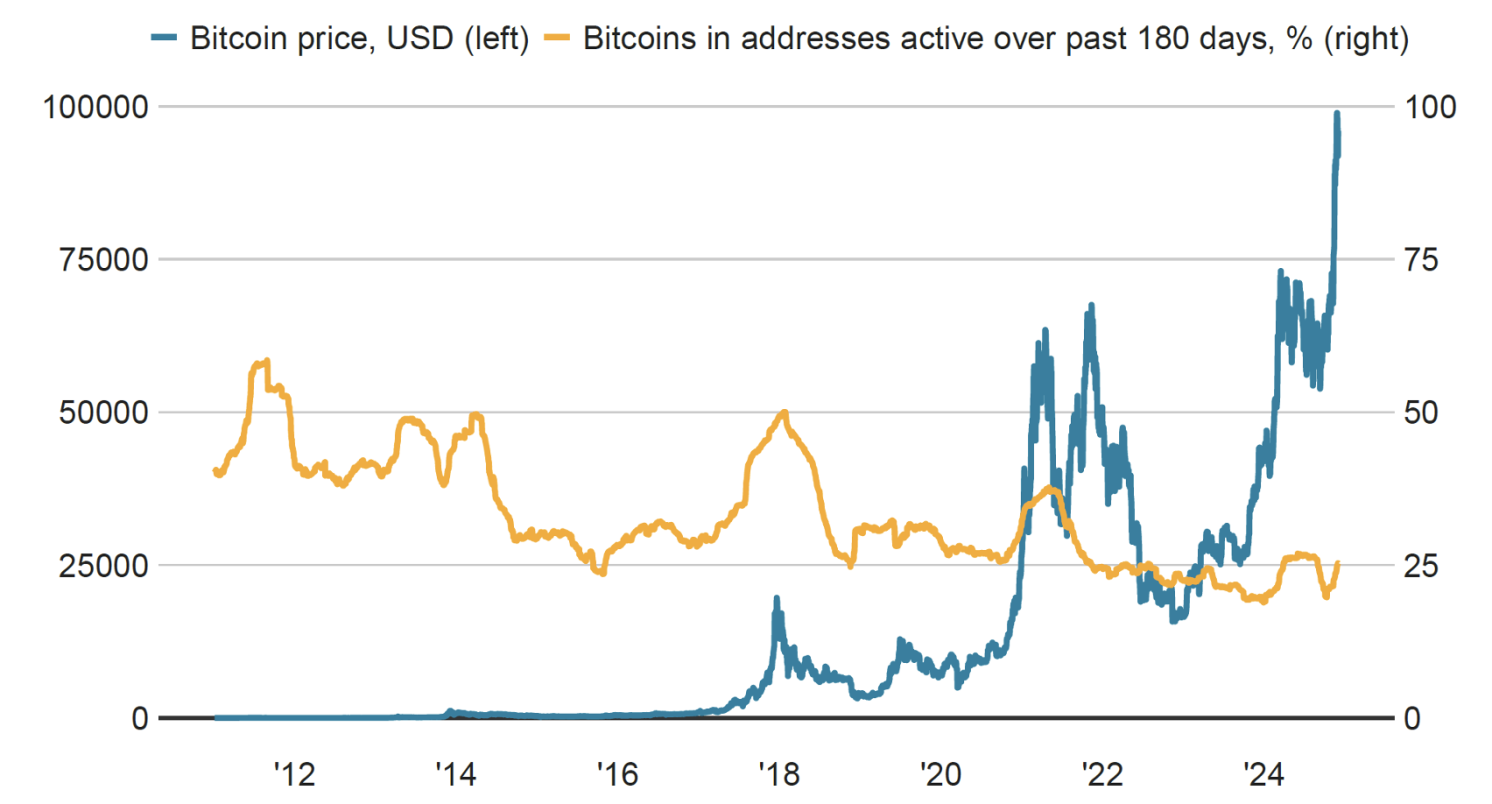 Critics often argue that cryptocurrencies lack intrinsic value because they aren’t backed by physical assets like gold or silver. However, this perspective ignores the fact that most fiat currencies also derive their value from trust and demand rather than physical commodities. Similarly, cryptocurrencies hold value as they enable fast, low-cost, cross-border transactions and serve as a medium of exchange in digital economies. Their value also lies in their limited supply (e.g., Bitcoin’s 21 million cap) and growing adoption.
Myth 2: Storing Cryptocurrency in a Wallet is Unsafe
Many believe that digital wallets are prone to hacks and therefore unsafe. While it’s true that vulnerabilities exist, modern wallets have implemented advanced security features such as two-factor authentication and cold storage (offline wallets). The main risks are often due to user negligence, such as sharing passwords or falling for phishing scams. With proper precautions, storing cryptocurrencies in reputable wallets is highly secure.
Myth 3: Cryptocurrency Fuels Crime and Fraud
 Cryptocurrencies are often associated with illicit activities due to their pseudonymous nature. However, blockchain’s transparency actually makes it a poor choice for criminal use, as every transaction is traceable. Studies reveal that only about 0.15% of cryptocurrency transactions are linked to illicit activities, far less than cash usage in crimes. Moreover, many exchanges now enforce KYC and AML measures to curb fraud.
Myth 4: Bitcoin is the Only Cryptocurrency Worth Investing In
Bitcoin may dominate headlines, but it’s not the sole option for investors. Thousands of altcoins like Ethereum, Ripple, and Solana offer unique functionalities and often outperform Bitcoin during bull runs. Diversifying investments across multiple cryptocurrencies can reduce risk and potentially increase returns. Projects like Shiba Inu and Dogecoin have demonstrated significant growth, turning early investors into millionaires.
Myth 5: Cryptocurrencies are Just a Bubble
The frequent price volatility of cryptocurrencies leads some to label them as a bubble. While the market can be speculative, cryptocurrencies represent a groundbreaking innovation in decentralized finance. As the ecosystem matures and adoption increases, price stability is expected. With corporations and governments incorporating blockchain solutions, it’s clear that cryptocurrencies are here to stay.
Start earning 60% a year with automated trading Free Sign UpMyth 6: Cryptocurrencies Will Replace Fiat Money Soon
While some enthusiasts predict cryptocurrencies will replace fiat currencies, such a transition requires significant time and structural changes. Factors like regulatory hurdles, scalability issues, and societal resistance must be overcome. While crypto adoption is growing, fiat currencies still dominate global financial systems, and a complete replacement is unlikely in the near future.
Myth 7: Cryptocurrency is a Temporary Trend
Many skeptics view cryptocurrencies as a passing fad. However, the growing integration of blockchain technology into industries like finance, healthcare, and supply chain management proves otherwise. Cryptocurrencies like Bitcoin and Ethereum are increasingly used for real-world applications, from paying for goods to securing contracts. Their utility and adoption highlight their staying power.
Myth 8: Cryptocurrency Mining Harms the Environment
 Mining has been criticized for its energy consumption, but the industry is evolving. Many miners now use renewable energy sources like solar and wind. Additionally, the transition of major networks like Ethereum to proof-of-stake significantly reduces energy usage compared to proof-of-work systems. Efforts to make mining more sustainable are ongoing, debunking the notion that crypto mining is inherently destructive.

 Myth 9: Cryptocurrency is Too Complex for Beginners
Cryptocurrency may seem daunting at first, but platforms and tools have made it accessible to everyone. Many exchanges now offer user-friendly interfaces, tutorials, and features like auto-investing, simplifying the process for beginners. Opening a wallet and buying crypto is as straightforward as setting up a traditional bank account.
Myth 10: Cryptocurrencies are Too Expensive
High-priced cryptocurrencies like Bitcoin often give the impression that all crypto is unaffordable. However, most cryptocurrencies are divisible, allowing investments as small as a few dollars. Additionally, there are many affordable altcoins with growth potential, making crypto investing accessible to everyone, regardless of budget.
Final Thoughts on the Top Cryptocurrency Myths
Cryptocurrencies continue to reshape the financial world, challenging traditional systems and sparking innovation. While myths and misconceptions persist, the reality is that cryptocurrencies are a powerful tool for financial independence and technological progress. Understanding the truth behind these myths allows investors to make informed decisions and leverage the potential of digital assets. The future belongs to those who recognize and embrace this transformative technology.

With over seven years of experience in trading since 2017, I specialize in cryptocurrency markets while sharing insights through engaging content. Proud to rank among the top 100 most popular analysts on TradingView of all time, I bring a blend of expertise, passion, and actionable strategies to the trading community.