

Article summary
What is Blockchain Transparency?
Blockchain transparency ensures that transactions on a blockchain network are open, verifiable, and accessible for public inspection. It allows anyone to trace financial flows while preserving data integrity and security. Although blockchain technology offers pseudonymity, its transparent nature provides tools to monitor activities, detect fraud, and enhance accountability in the digital financial ecosystem.
 In this article, we’ll explore how blockchain tracking works, the tools used for analysis, and the challenges authorities face when investigating cryptocurrency transactions.
The Need for Tracking Tools in Crypto Transactions
Criminal activities like fraud, scams, and money laundering frequently make headlines in the crypto space. These illicit practices highlight the necessity of tools designed to track suspicious transactions and uncover hidden connections.
Blockchain records every transaction immutably, but tracing ownership requires specialized tracking tools. These tools allow investigators to map transaction flows, identify patterns, and pinpoint the origins of illegal funds.
Can Authorities Track Crypto Assets?
One of the most common myths about cryptocurrency is the assumption of complete anonymity. While wallet addresses are represented by long alphanumeric strings, every transaction is publicly visible on the blockchain ledger.
Law enforcement agencies leverage advanced tracking tools to analyze wallet interactions and cross-reference data with external sources like KYC records from exchanges. This ability to link addresses with identities has played a key role in solving significant crypto-related crimes.
Start earning 60% a year with automated trading Free Sign UpKey Milestones in Blockchain Transparency
Early Discoveries in Crypto Tracking
In 2012, cryptographer Sarah Meiklejohn pioneered clustering techniques to group related wallet addresses. This breakthrough laid the foundation for modern tracking tools, enabling investigators to map out illicit activity on digital ledgers.
Major Law Enforcement Successes
- Bitfinex Hack Recovery: In 2016, U.S. authorities recovered $3.6 billion in stolen Bitcoin.
- Shutting Down Bitcoin Fog: In 2024, blockchain tools helped convict Roman Sterlingov, the operator of the Bitcoin Fog mixing service.
- Sanctions on Tornado Cash: In 2022, U.S. authorities sanctioned Tornado Cash for laundering illicit funds.
These cases illustrate the effectiveness of blockchain tracking in combating financial crimes.
How Do Tracking Tools Work?
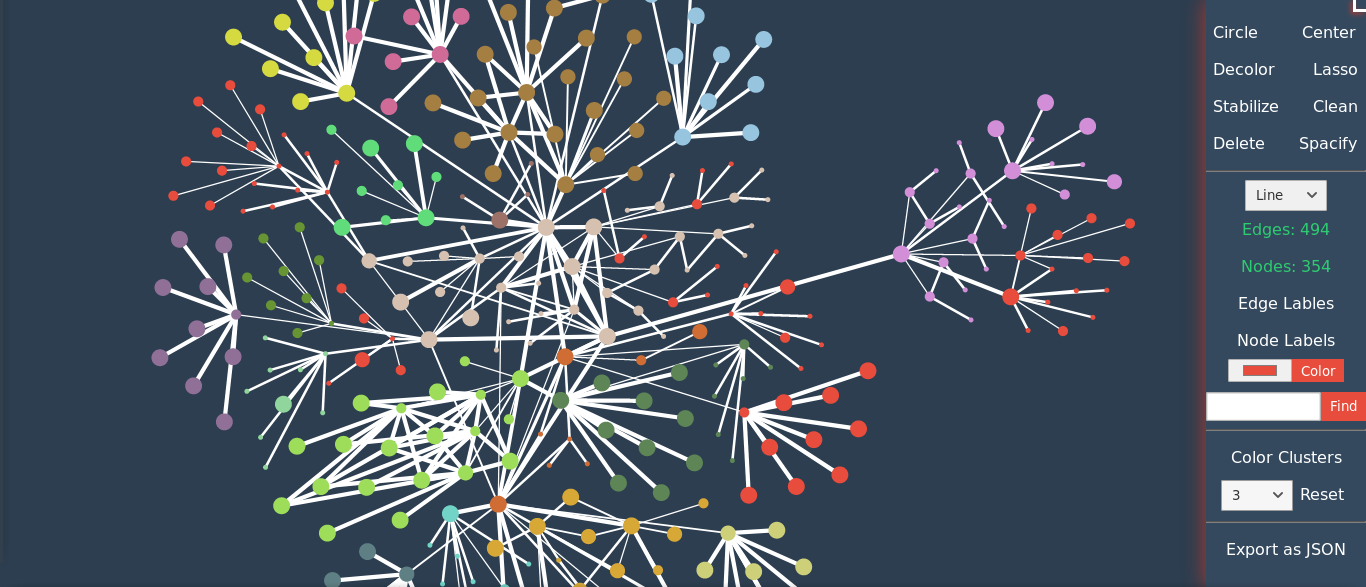 Blockchain investigation relies on a structured process involving advanced analytics and visual mapping. Here’s how it works:
1. Data Collection and Analysis
Experts collect transaction details from blockchain explorers, exchanges, and digital wallets. This data includes timestamps, wallet addresses, and transaction amounts.
2. Wallet Clustering
Clustering techniques identify groups of wallet addresses controlled by a single entity, revealing connections across multiple transactions.
3. Transaction Mapping
Visual mapping tools create graphical representations of transaction flows, enabling investigators to identify patterns and pinpoint suspicious activity.
4. Chain Analysis
By analyzing transactions in reverse order, investigators can trace the origin of illicit funds and monitor their movement across the blockchain.
5. Identity Cross-Referencing
Authorities match blockchain data with KYC records and other external data sources to establish connections between addresses and real-world identities.
6. Legal Reporting
Findings are compiled into detailed reports that can serve as evidence in court proceedings.
What Information Can Be Tracked?
Blockchain analysis tools reveal crucial insights, including:
- Ownership Attribution: Identifying connections between wallet addresses and real-world identities.
- Transaction History: Understanding patterns of behavior across multiple transactions.
- Geographical Data: Using IP addresses to trace the physical locations of transaction initiators.
- Cluster Analysis: Grouping related wallets to spot hidden associations.
These insights empower law enforcement and compliance officers to detect and address illicit activities effectively.
Advantages of Blockchain Transparency
Blockchain analysis offers several key benefits:
- Enhanced Security: Immutable transaction records reduce fraud risk.
- Legal Evidence: Blockchain transaction data serves as reliable courtroom evidence.
- Regulatory Compliance: Tools help businesses meet AML (Anti-Money Laundering) and KYC (Know Your Customer) requirements.
- Financial Accountability: Transparent transaction records ensure greater financial oversight.
These benefits strengthen trust in the blockchain ecosystem.
Challenges in Blockchain Transparency
While blockchain analysis offers significant advantages, it also faces notable challenges:
- Anonymity and Pseudonymity: Wallet addresses remain pseudonymous unless linked to real-world identities.
- Off-Chain Data Gaps: Some critical information exists outside the blockchain, complicating investigations.
- Scalability Issues: Analyzing millions of transactions can be time-consuming and resource-intensive.
- Privacy Tools: Technologies like mixers and privacy coins obscure transaction origins.
- Jurisdictional Barriers: Differences in global regulations create obstacles for cross-border investigations.
Addressing these challenges requires collaboration, innovation, and advancements in analysis tools.
The Role of Blockchain Analysis in the Future
As blockchain adoption accelerates, tracking tools will continue to evolve. Future developments will focus on improving data accuracy, enhancing analysis capabilities, and fostering collaboration between global authorities.
Blockchain tracking isn’t just about preventing crime—it’s about building a safer and more trustworthy financial ecosystem. By maintaining visibility across digital ledgers, authorities and businesses can work together to ensure accountability and security.
Closing Thoughts
Blockchain transparency serves as a cornerstone for accountability, security, and trust in the cryptocurrency ecosystem. While challenges remain, the advancements in tracking technologies are empowering authorities and organizations to monitor financial flows effectively.
By embracing transparency tools, the crypto industry can strike a balance between privacy, compliance, and innovation—ensuring a robust and resilient digital financial landscape.

With over seven years of experience in trading since 2017, I specialize in cryptocurrency markets while sharing insights through engaging content. Proud to rank among the top 100 most popular analysts on TradingView of all time, I bring a blend of expertise, passion, and actionable strategies to the trading community.