

Article summary
Introduction: The Importance of Understanding Crypto Investor Demographics
Understanding the demographics of crypto investors is crucial for analyzing adoption trends, market potential, and investment behaviors. As cryptocurrencies continue to evolve into mainstream financial instruments, knowing who invests in them—and why—provides valuable insights for regulators, businesses, and investors. This article delves into the key demographic factors, including age, gender, education, and income, while examining trends that define the modern crypto investor landscape.
What Are Demographics and Why Are They Important?
Demographics refer to statistical data that describes populations based on factors such as:
- Age
- Gender
- Income
- Education
- Employment Status
Governments, corporations, and NGOs often use this data to understand community needs, drive market research, and inform policy decisions. In the context of cryptocurrencies, demographics shed light on investor behavior, adoption trends, and areas requiring greater financial education and inclusion.
When Did People Start Investing in Crypto?
A 2023 Pew Research Center study revealed:
- 75% of U.S. crypto users first invested in crypto within the last five years.
- Only 10% started over five years ago.
- 16% made their first investment in 2022.
Additionally, lower-income households were more likely to have entered the crypto market during the COVID-19 pandemic.
Key Takeaway:
Crypto adoption often spikes during periods of significant market events or price surges, as seen during the COVID-19 pandemic and Bitcoin’s peak valuations.
Start earning 60% a year with automated trading Free Sign UpWhat Motivates People to Invest in Crypto?
According to a 2024 study by Campino and Yang, the primary reasons people enter the crypto market include:
- Profit Potential through Trading
- Decentralization Appeal
- Revolutionary Blockchain Technology
- Internet Influence
Other influencing factors include anonymity, security, and the avoidance of intermediaries.
Why Do Some People Avoid Crypto?
Despite growing adoption, many individuals remain hesitant to invest in cryptocurrencies. Key reasons include:
- Market Volatility
- Non-Reversible Transactions
- Fear of Scams and Fraud
- Lack of Knowledge
A 2024 Motley Fool Survey echoed similar concerns, emphasizing the need for greater crypto education and awareness.
Who Are the Typical Crypto Investors?
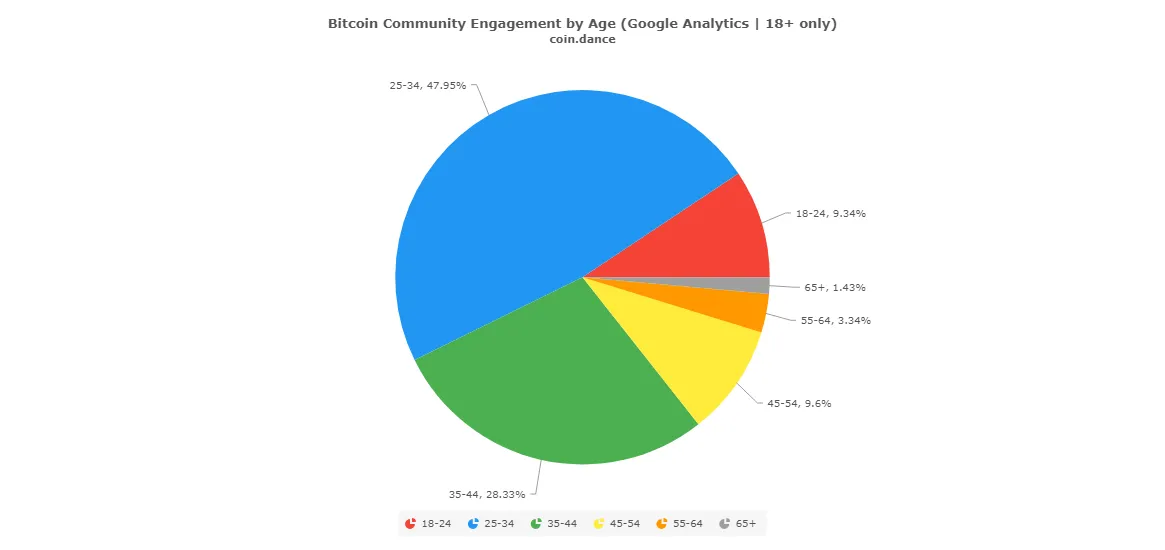
 Age Distribution:
- Millennials (57%) dominate the crypto investor base.
- Gen X (20%) follows.
- Gen Z (13%) is an emerging segment.
- Baby Boomers (10%) make up a smaller share.
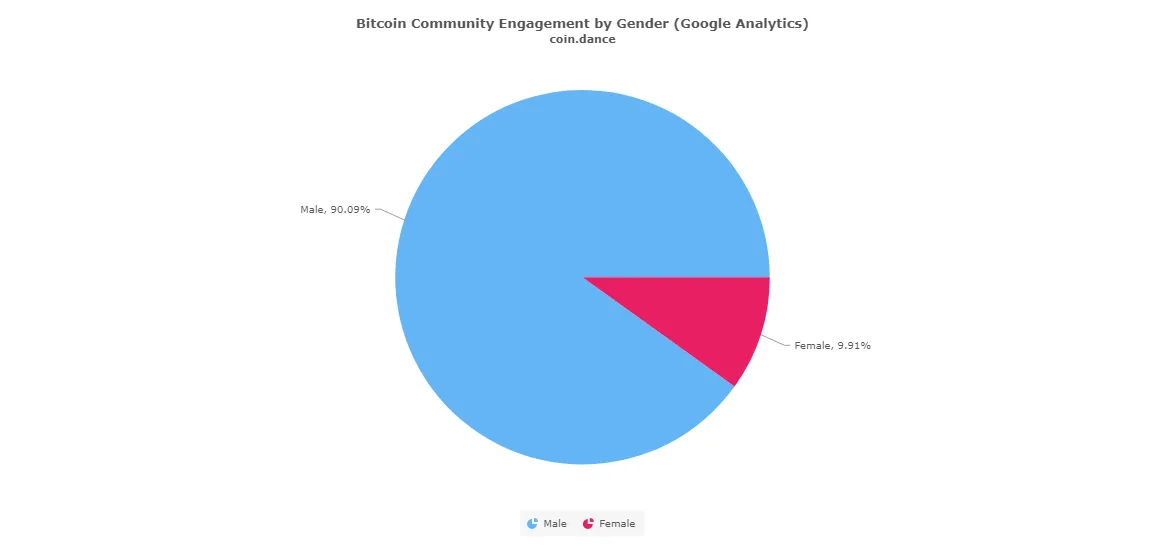 Gender Breakdown:
- 70% Male investors dominate the crypto market.
- 30% Female representation has been growing, particularly since 2022.
Ethnicity Data:
- Asian Investors (27%) lead in crypto adoption.
- Black and Hispanic Investors (21%) show strong representation.
- White Investors (20%) follow closely.
The Role of Education in Crypto Adoption
Highly educated individuals are more likely to invest in cryptocurrencies. Research shows:
- Crypto ownership skews toward college-educated individuals.
- Higher financial literacy correlates with increased crypto adoption.
Key Insight: Education plays a significant role in reducing hesitancy and boosting confidence in crypto investments.
Income Levels and Crypto Investments
Crypto adoption correlates with income levels:
- Higher-income individuals are more likely to invest in crypto.
- Casual Investors: Hold 1-9% of their assets in crypto.
- Committed Investors: Allocate over 10% of their assets to cryptocurrencies.
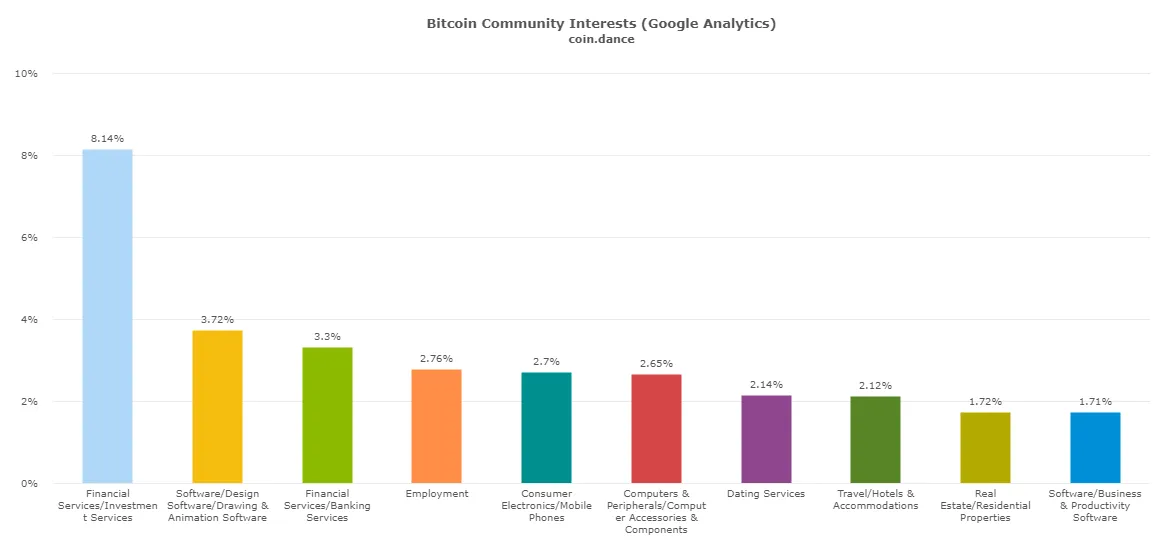 Key Insight: Higher-income groups have a diversified portfolio, reducing reliance on crypto’s volatility.
Psychological Traits of Crypto Investors
The psychology of crypto investors reveals:
- Excitement: 46% invest due to excitement about the technology.
- Engagement: Investors are highly active, regularly monitoring assets.
- Community Influence: Social media and peer opinions significantly impact investment decisions.
How Demographics Shape Financial Inclusion in Crypto
Demographic analysis helps identify underserved communities and address barriers to financial inclusion. Key challenges include:
- Knowledge Gaps: Many users lack technical understanding.
- Access to Technology: Limited infrastructure prevents wider adoption.
- Regulatory Barriers: Regional restrictions impact accessibility.
Key Takeaway:
Understanding demographic trends enables targeted education campaigns and improved access to financial tools.
Conclusion: The Future of Crypto Investor Demographics
The demographics of crypto investors are evolving rapidly. Younger generations, particularly Millennials and Gen Z, dominate the space. While income, education, and gender disparities remain, growing awareness and financial inclusion efforts are closing these gaps.
For businesses, governments, and investors, understanding these demographics is critical for driving adoption, developing tailored products, and fostering trust in the crypto ecosystem.

With over seven years of experience in trading since 2017, I specialize in cryptocurrency markets while sharing insights through engaging content. Proud to rank among the top 100 most popular analysts on TradingView of all time, I bring a blend of expertise, passion, and actionable strategies to the trading community.