

Crypto trading has transformed global finance, offering exciting opportunities for investment and reshaping how transactions occur. For beginners, diving into this dynamic market without preparation can be challenging. This guide explores the fundamentals of crypto trading, including types of cryptocurrencies, strategies, and tools to help you succeed.
Article summary
1. Understanding the Types of Cryptocurrencies for Effective Crypto Trading
The rapid expansion of the crypto market has created a diverse ecosystem of digital assets. To make informed trading decisions, it’s important to understand the categories of cryptocurrencies and their functions.
1.1 What Are Crypto-Assets?
Crypto-assets are digital currencies secured by cryptography and powered by blockchain technology. They enable decentralized, peer-to-peer transactions without the need for centralized authorities like banks or governments.
Key features of crypto-assets include:
- Decentralization: No central authority governs them.
- Security: Cryptography ensures secure transactions and data integrity.
- Immutability: Once recorded on the blockchain, transactions cannot be altered.
These attributes differentiate cryptocurrencies from traditional fiat currencies and underpin their growing popularity in global markets.
1.2 Major Crypto Categories
1.2.1 Bitcoin (BTC)
Bitcoin, launched in 2009 by the pseudonymous Satoshi Nakamoto, is the first and most well-known cryptocurrency. It serves as a digital store of value and a decentralized alternative to traditional currencies.
Key highlights:
- Limited Supply: With a cap of 21 million coins, Bitcoin is considered a deflationary asset.
- Hedge Against Inflation: Many investors view Bitcoin as “digital gold,” providing protection against economic uncertainty.
- Wide Adoption: Increasingly accepted by institutions and retailers worldwide.


1.2.2 Altcoins and Tokens
Altcoins encompass all cryptocurrencies other than Bitcoin. While some serve niche purposes, others power blockchain ecosystems through utility tokens or support decentralized finance (DeFi).
- Altcoins Examples: Ethereum (ETH), Litecoin (LTC), and Cardano (ADA).
- Tokens: Created on existing blockchains like Ethereum, these assets represent various utilities, from governance rights to staking mechanisms.
1.2.3 Stablecoins
Stablecoins aim to minimize crypto volatility by pegging their value to stable assets like the US dollar or gold.
- Examples: Tether (USDT), USD Coin (USDC), and DAI.
- Purpose: Ideal for preserving value during market fluctuations or transferring funds efficiently.
2. Fundamental Analysis: A Key to Successful Crypto Trading
Fundamental analysis involves evaluating the intrinsic value of a cryptocurrency by examining its underlying project, utility, and market factors. Beginners should develop these skills to reduce risks and make informed trading decisions.
How to Perform Fundamental Analysis
2.1 Evaluate the Whitepaper

A cryptocurrency’s whitepaper outlines its goals, technology, and roadmap. Key aspects to assess include:
- Purpose and Problem Solving: What real-world issues does the project address?
- Technological Edge: Does it introduce innovative solutions?
- Team Credibility: Check the background and expertise of the team.
- Token Allocation: Evaluate vesting schedules to avoid rug-pull risks.
2.2 Analyze Utility and Use Cases
Consider the cryptocurrency’s practical applications and contributions to the broader blockchain ecosystem. Assets with clear, real-world use cases tend to have stronger long-term prospects.
2.3 Monitor Market Trends
Stay updated on market trends and developments in the crypto space. Innovations like NFTs or AI integration can significantly influence a cryptocurrency’s adoption and valuation.
2.4 Assess Social Sentiment
Engage with community forums and social media to gauge sentiment around a cryptocurrency. Be cautious of projects with fake followers or low engagement rates on their social channels.
3. Technical Analysis Basics for Crypto Trading Success
Technical analysis focuses on interpreting historical price data and trading volume to predict future movements. Mastering its components can help you identify optimal entry and exit points.
Essential Tools for Technical Analysis in Crypto Trading
3.1 Reading Price Charts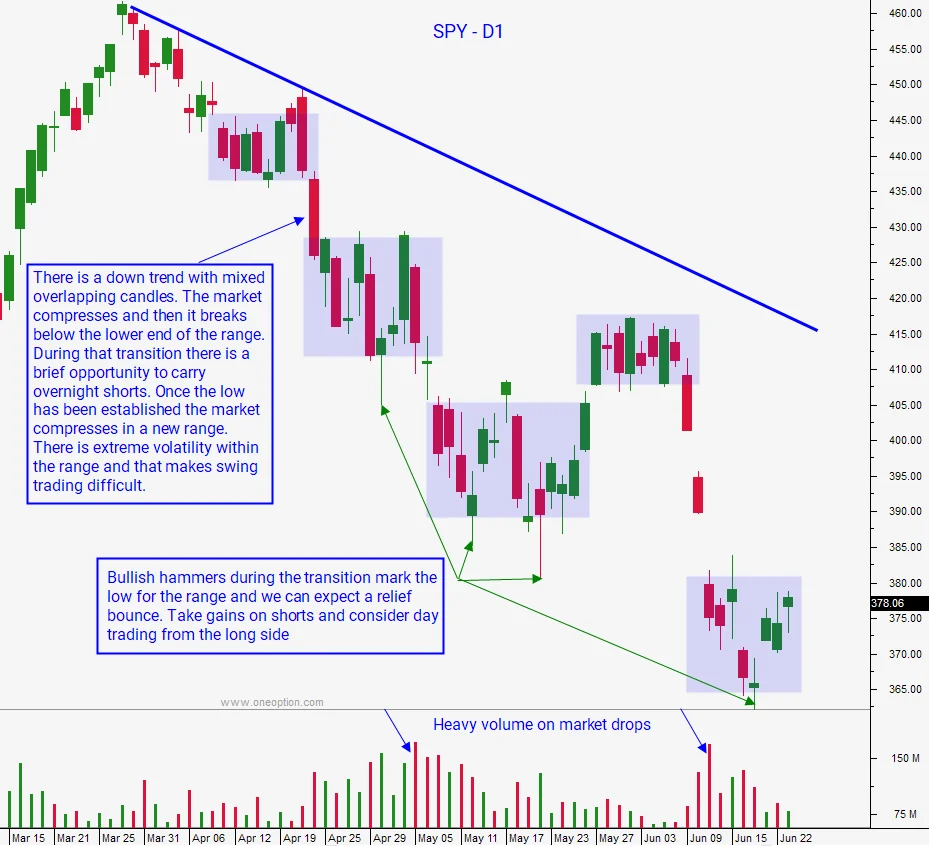

- Candlestick Patterns: Offer visual cues about market sentiment. Patterns like doji, hammers, and shooting stars indicate trends and potential reversals.
- Support and Resistance Levels: Identify price points where buying or selling interest typically arises, helping set entry and exit points.
- Moving Averages (MA): Use simple (SMA) and exponential (EMA) moving averages to identify trends and potential crossovers for buy/sell signals.
3.2 Momentum Indicators
- Relative Strength Index (RSI): Values below 30 suggest an oversold asset, while values above 70 indicate overbought conditions.
- Moving Average Convergence Divergence (MACD): Crossovers between the MACD line and signal line reveal potential trend reversals.
3.3 Chart Patterns
- Head and Shoulders: Signals a trend reversal, with inverse patterns suggesting bullish momentum.
- Double Tops and Bottoms: Indicate potential reversals, with double tops being bearish and double bottoms signaling bullish trends.
4. Managing Risks in Crypto Trading: A Beginner’s Edition
While crypto trading offers significant potential, it also carries substantial risks. To navigate the volatile market effectively:
4.1 Diversify Your Portfolio
 One of the cardinal rules of investing is diversification, and crypto trading is no exception. Putting all your funds into a single cryptocurrency exposes you to unnecessary risk if that asset’s value plummets.
- Spread Across Categories: Invest in a mix of cryptocurrencies, including Bitcoin (BTC), altcoins (e.g., Ethereum, Solana), and stablecoins (e.g., USDT, DAI). This balances high-risk, high-reward assets with more stable ones.
- Explore Different Sectors: Diversify across blockchain use cases, such as DeFi, NFTs, and payment systems, to spread exposure across varying market dynamics.
- Avoid Over-Diversification: While diversification minimizes risk, holding too many assets can dilute potential gains and make portfolio management challenging.
4.2 Stay Updated
The crypto market is influenced by a variety of factors, including regulatory developments, market news, and technological advancements. Staying informed is crucial to making timely and informed decisions.
- Monitor Regulatory Changes: Governments worldwide are increasingly focusing on cryptocurrency regulation. Keep an eye on updates that may impact specific cryptocurrencies or exchanges.
- Follow Market News: Platforms like CoinDesk, CoinTelegraph, and CryptoSlate provide real-time updates on market movements, partnerships, and developments.
- Leverage Social Media: Engage with reputable analysts and communities on platforms like Twitter, Reddit, and Telegram to gauge market sentiment.
- Use Alerts: Set up price alerts for cryptocurrencies in your portfolio to react quickly to significant movements.
4.3 Practice Risk-Adjusted Position Sizing
Allocating an appropriate percentage of your portfolio to each trade is a critical aspect of risk management.
- Use the 1% Rule: Limit each trade’s risk to no more than 1% of your total portfolio. For example, if your portfolio is $10,000, risk only $100 on any single trade.
- Adjust Based on Volatility: Allocate smaller amounts to highly volatile assets and larger amounts to stablecoins or less volatile cryptos.
- Factor in Leverage: If using leverage, ensure your position size accounts for the increased risk to avoid margin calls.
Conclusion
Crypto trading presents exciting opportunities, but success requires a solid foundation in both fundamental and technical analysis. By understanding the types of cryptocurrencies, evaluating projects, and mastering technical tools, beginners can make informed decisions and mitigate risks. Armed with these insights, you’re better equipped to navigate the evolving crypto landscape and take advantage of its potential.

With over seven years of experience in trading since 2017, I specialize in cryptocurrency markets while sharing insights through engaging content. Proud to rank among the top 100 most popular analysts on TradingView of all time, I bring a blend of expertise, passion, and actionable strategies to the trading community.