Sophisticated backtesting is not only possession of high-esteemed hedge funds anymore.
Impressive Team and support, Backtesting engine with detailed reports, The Strategy builder.

Great purchase!
I have always manually invested in stocks and cryptocurrencies, but after studying Vestinda, I must say it has enormous potential.

Mature platform for trading
Pro: Easy to use, Nice UX, A lot of customization for strategies, Back testing is an awesome tool, can check any strategy in history.

Automated Strategies & Backtesting results using Chaikin Money Flow
Discover below a selection of trading strategies based on the Chaikin Money Flow indicator and how they have performed in backtesting. You can test all these strategies (and many more) for free on thousands of assets, using their complete historical data.
Automated Trading Strategy: Ride the SuperTrend with Chaikin Money Flow and Harami Patterns on QTUM
Based on the backtesting results statistics for the trading strategy performed from October 20, 2022, to October 20, 2023, several key findings emerged. The profit factor stood at 1.45, indicating that for every dollar risked, an average profit of $1.45 was generated. The annualized return on investment (ROI) was an impressive 15.96%. The average holding time was relatively short at 1 day and 11 hours, suggesting the strategy focused on quick trades. On average, 0.51 trades were carried out per week, culminating in a total of 27 closed trades during the specified period. Notably, the strategy's winning trades percentage was 25.93%. Additionally, it outperformed the "buy and hold" strategy by generating excess returns of 40.48%.

 QTUMUSDT

Choose another period and try again.
Automated Trading Strategy: Ride the SuperTrend with Chaikin Money Flow and Harami Patterns on PROM
Based on the backtesting results statistics for the trading strategy from October 20, 2022, to October 20, 2023, it is evident that the strategy has delivered impressive performance. The annualized ROI stands at 7.56%, showcasing consistent profitability throughout the observed period. On average, trades were held for approximately 2 days and 8 hours, demonstrating a relatively short-term approach. The strategy produced an average of only 0.01 trades per week, indicating a selective and cautious approach to trading. With 100% winning trades, it is clear that the strategy has been highly effective in generating positive returns. Additionally, the strategy has outperformed the buy and hold strategy, yielding excess returns of 40.87%, further highlighting its superior performance and efficiency.

 PROMUSDT
Choose another period and try again.
Chaikin Money Flow Indicator Trading: Strategies and Tips for Enhanced Market Insight
Introduction
The Chaikin Money Flow (CMF) indicator is a popular tool among traders for assessing the strength of market trends and the flow of money into and out of an asset. By analyzing price and volume data, the CMF provides valuable insights into the buying and selling pressure behind price movements. In this article, we'll explore effective trading strategies using the Chaikin Money Flow indicator and share tips on how to incorporate it into your trading routine for better decision-making.
What is the Chaikin Money Flow Indicator?
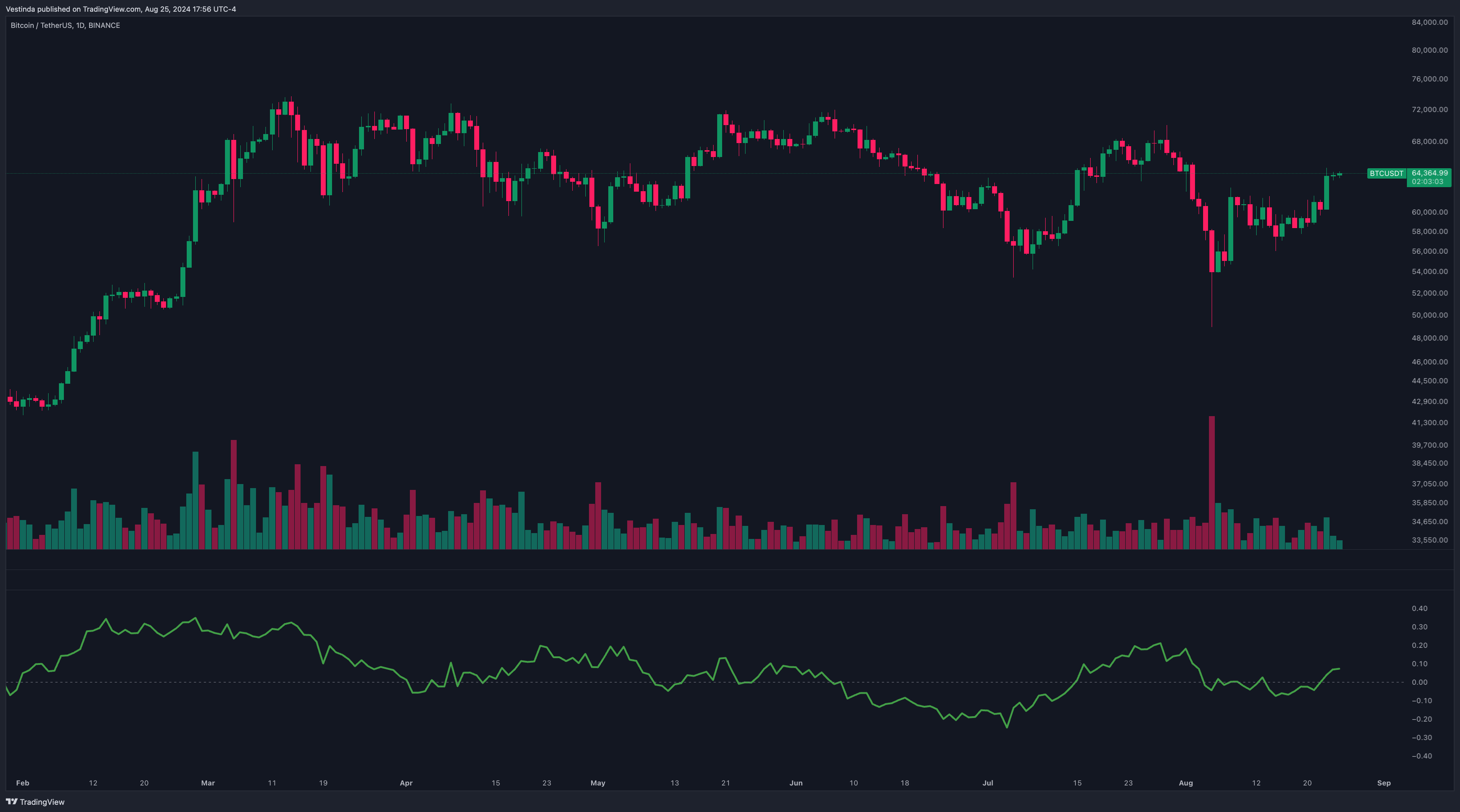
- Overview: The Chaikin Money Flow indicator measures the accumulation-distribution of an asset over a specified period, usually 20 or 21 periods. It combines price and volume data to determine whether a stock or asset is being accumulated (bought) or distributed (sold).
- Calculation: CMF is calculated using the following formula:

- Interpretation:
- Positive CMF Values: Indicate accumulation or buying pressure, suggesting that the asset's price may continue to rise.
- Negative CMF Values: Indicate distribution or selling pressure, suggesting that the asset's price may continue to fall.
Why Use the Chaikin Money Flow Indicator?
- Volume-Weighted Analysis: The CMF provides a volume-weighted assessment of market trends, offering insights that pure price-based indicators might miss.
- Trend Confirmation: It helps confirm the strength of trends by showing whether there is substantial buying or selling pressure behind the price movements.
- Divergence Signals: The CMF can highlight divergences between price and money flow, indicating potential trend reversals.
Key Chaikin Money Flow Indicator Trading Strategies
CMF Trend Confirmation Strategy
Concept: Use the CMF to confirm the strength of a trend before entering a trade.
How to Implement:
- Buy Signal: When the CMF is above zero and rising, it confirms a bullish trend, supporting a long position.

- Sell Signal: When the CMF is below zero and falling, it confirms a bearish trend, supporting a short position.
- Application: Combine CMF signals with other trend-following indicators like moving averages to filter out false signals and improve trade accuracy.
CMF Divergence Strategy
Concept: Identify divergences between the CMF and price action to anticipate potential trend reversals.
How to Implement:
- Bullish Divergence: Occurs when the price makes lower lows, but the CMF makes higher lows, indicating that buying pressure is increasing despite the price decline.
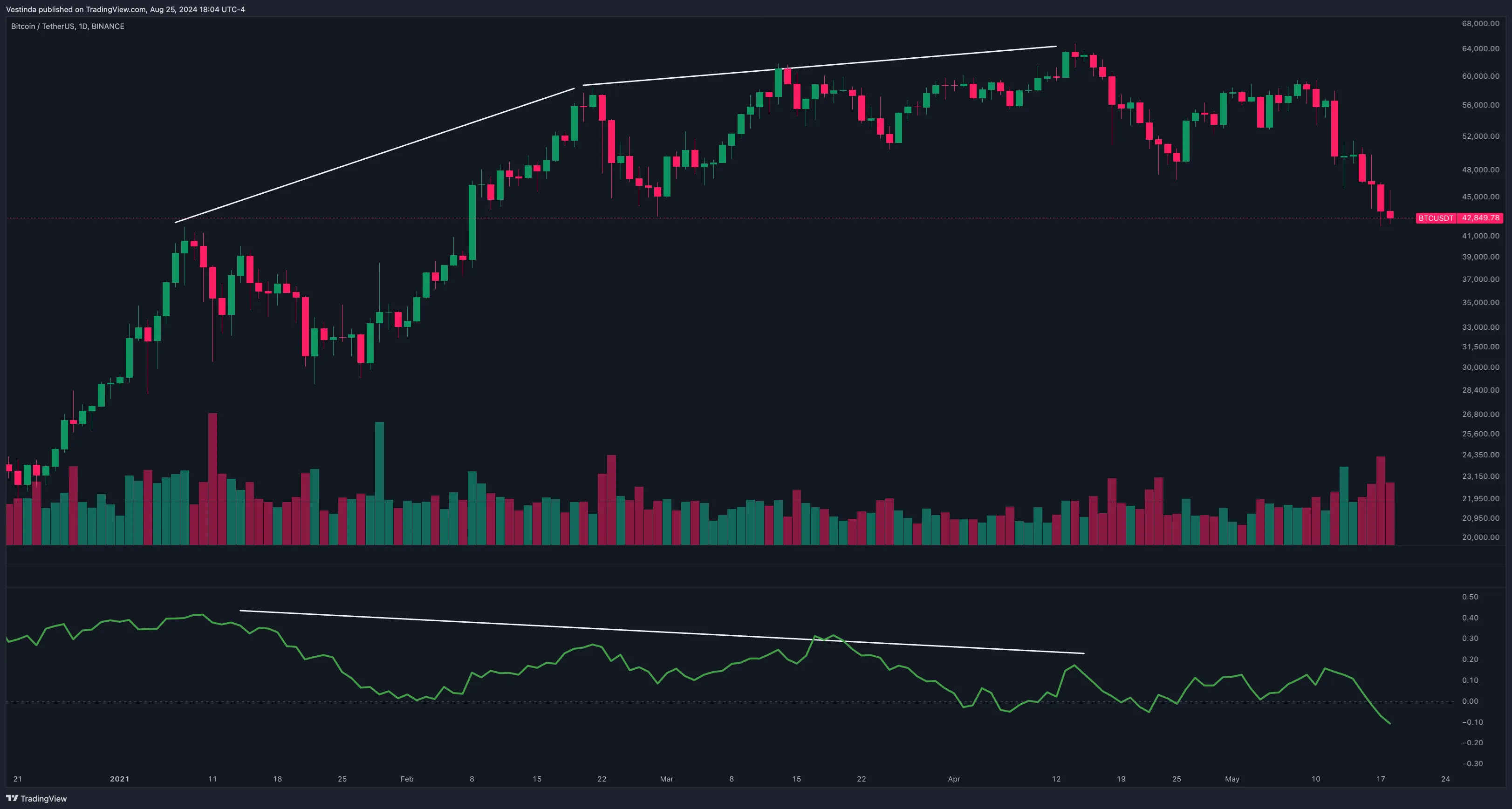
- Bearish Divergence: Occurs when the price makes higher highs, but the CMF makes lower highs, indicating that selling pressure is increasing despite the price rise.
- Application: Use divergence signals to time entries and exits, especially in markets where the price is showing signs of exhaustion.
CMF Overbought/Oversold Strategy
Concept: Use extreme CMF values to identify overbought or oversold conditions, signaling potential reversals.

How to Implement:
- Buy Signal: When the CMF reaches an extreme negative value (indicating oversold conditions) and begins to rise, consider entering a long position.
- Sell Signal: When the CMF reaches an extreme positive value (indicating overbought conditions) and begins to fall, consider entering a short position.
- Application: This strategy works well in ranging markets or after strong trends, where the CMF can indicate a reversal or correction.
Using the Chaikin Money Flow Indicator Across Markets
- Stocks: The CMF is particularly useful in stock trading, where volume plays a crucial role in confirming trends and breakouts.
- Forex: In forex markets, the CMF can help traders identify strong currency pairs by analyzing money flow across different timeframes.
- Cryptocurrencies: Given the high volatility in crypto markets, the CMF can provide valuable insights into the strength of price movements and potential reversals.
Benefits of Using the Chaikin Money Flow Indicator
- Volume-Driven Insight: The CMF offers a unique perspective by combining price action with volume, providing a deeper understanding of market dynamics.
- Versatility: The CMF can be applied across different asset classes and timeframes, making it a versatile tool for all types of traders.
- Enhanced Signal Accuracy: By confirming trends and spotting divergences, the CMF can help traders filter out noise and focus on high-probability trades.
Mastering Chaikin Money Flow Indicator for Trading
It was created by Marc Chaikin to measure the volume of money flow into and out of a security. The indicator combines price and volume data to provide insight into buying and selling pressure. Traders can use Chaikin Money Flow to identify potential reversals or confirm the strength of a trend. When the indicator is above zero, it suggests buying pressure, while below zero indicates selling pressure. Traders can look for bullish signals when Chaikin Money Flow crosses above zero and bearish signals when it crosses below zero. Additionally, divergences between the indicator and price can provide early indications of a potential trend reversal. Overall, incorporating Chaikin Money Flow into your trading strategy can help you make more informed and timely trading decisions.
Incorporating Chaikin Money Flow for Intraday Trades
It was created by Marc Chaikin to assess the accumulation and distribution of money within a security. The indicator uses both volume and price data to measure the strength of buying and selling pressure. The Chaikin Money Flow (CMF) oscillator ranges from -1 to +1, with positive values indicating buying pressure and negative values indicating selling pressure. In intraday and day trading, the CMF can be used to identify potential reversals and validate price trends. Traders can look for divergences between the CMF and price, as well as crossovers of the zero line, to generate trading signals. Additionally, the CMF can help traders confirm the strength of breakouts and determine when a security is becoming overbought or oversold. Overall, incorporating the Chaikin Money Flow indicator into intraday and day trading strategies can provide valuable insights into market dynamics and potential trading opportunities.
Optimal Day Trading Settings for Chaikin Money Flow
The Chaikin Money Flow (CMF) indicator is widely used in day trading strategies. It helps traders identify buying and selling pressure by combining volume and price data. CMF is calculated by measuring the accumulation and distribution of money flow over a specific period. When the indicator rises above zero, it suggests buying pressure, while a drop below zero indicates selling pressure. Day traders often experiment with different CMF settings to adapt to their specific trading style and market conditions. However, there is no one-size-fits-all setting for CMF. Some traders find success with a shorter period, such as 9 or 14, while others prefer longer periods like 20 or 30. Ultimately, finding the best CMF setting for day trading requires experimentation and careful analysis of historical data and market trends.
-
100,000 available assets New
-
years of historical data
-
practice without risking money

Frequently Asked Questions
Chaikin Money Flow (CMF) is a technical analysis tool designed to measure the accumulation and distribution of money in a stock or market. It calculates the amount of buying and selling pressure by analyzing both price and volume data. CMF is displayed as a line graph, oscillating between -1 and +1. Positive values indicate buying pressure, while negative values indicate selling pressure. For beginners, CMF can help identify potential trends, confirm price movements, and evaluate the strength of buying or selling pressure. It is a useful tool to understand the flow of money in a market and make more informed trading decisions.
The Chaikin Money Flow strategy is a technical analysis tool used to determine the strength of buying and selling pressure in a market. It calculates the amount of money flow over a specific period by considering the price, volume, and accumulation/distribution line. The strategy uses the Chaikin Money Flow indicator to identify bullish or bearish signals. A positive Chaikin Money Flow indicates buying pressure, suggesting a bullish trend, while a negative value indicates selling pressure and a possible bearish trend. Traders use this strategy to confirm price movements and make decisions about entering or exiting trades.
Trading above Chaikin Money Flow (CMF) can be considered a positive sign. CMF is an indicator that combines volume and price to assess buying and selling pressure in a stock. When trading is above CMF, it suggests that the stock is experiencing higher buying pressure, indicating a stronger demand. This could potentially lead to upward price movement in the stock. However, it is important to consider other factors and indicators before making any trading decisions, as CMF is just one tool in the analysis of the market conditions.
Choosing the right technical indicator for your trading style requires careful consideration. Start by defining your trading objectives and preferred time frame. Then, analyze different indicators based on their relevance to your goals. Consider factors such as the indicator's effectiveness in identifying trends or generating entry/exit signals, its compatibility with your trading strategy, and your level of understanding and comfort with its interpretation. Test various indicators on historical data, and select the one that aligns best with your trading style and consistently provides accurate insights. Remember, flexibility and adaptation are key, so be prepared to adjust or combine indicators as needed.
Chaikin Money Flow (CMF) can be a useful tool for range trading. Range trading involves identifying the upper and lower boundaries of a trading range and executing trades when the price reaches these levels. CMF, an oscillator indicator, combines price and volume data to measure the flow of money in and out of a security. This information can help traders identify potential breakouts or reversals within a range. Positive CMF values indicate buying pressure, while negative values show selling pressure. By using CMF alongside other technical analysis tools, traders can gain insights into the strength and direction of money flow, aiding in making informed range trading decisions.
Conclusion
Incorporating the Chaikin Money Flow indicator into your trading strategy can help you make more informed and timely trading decisions. By calculating the Money Flow Multiplier (MF), Money Flow Volume (MFV), and Accumulation/Distribution Line (ADL), you can identify potential buy and sell signals based on the Chaikin Money Flow (CMF). Positive CMF indicates buying pressure, while negative CMF indicates selling pressure. You can also use other technical analysis tools and market conditions to confirm the effectiveness of your CMF-based trading strategies. Overall, the Chaikin Money Flow indicator provides valuable insights into market dynamics and potential trading opportunities.

Successful traders rely on backtesting to be profitable.
Be like them with our
Free Backtesting Guide