

The connection between smartphones and Web3 marks a transformative era in technology. With billions relying on mobile devices globally, smartphones are emerging as a primary access point for decentralized applications (DApps), blockchain tools, and cryptocurrency wallets. This article explores their role in driving adoption, highlighting both opportunities and challenges.
Article summary
The Growing Role of Mobile Devices in Web3
Mobile technology has revolutionized communication, finance, and commerce. Now, it’s becoming the primary interface for users to interact with Web3 technologies.
Why Mobile Devices Are Essential for Web3 Adoption:
- Global Reach: Billions of mobile users worldwide.
- User-Friendly Interfaces: Accessible design for interacting with blockchain apps.
- Integrated Wallets: Seamless management of cryptocurrencies.
- Financial Inclusion: Bringing banking tools to underserved communities.
These factors make mobile devices a natural bridge for broader Web3 integration.
Types of Web3 Smartphones
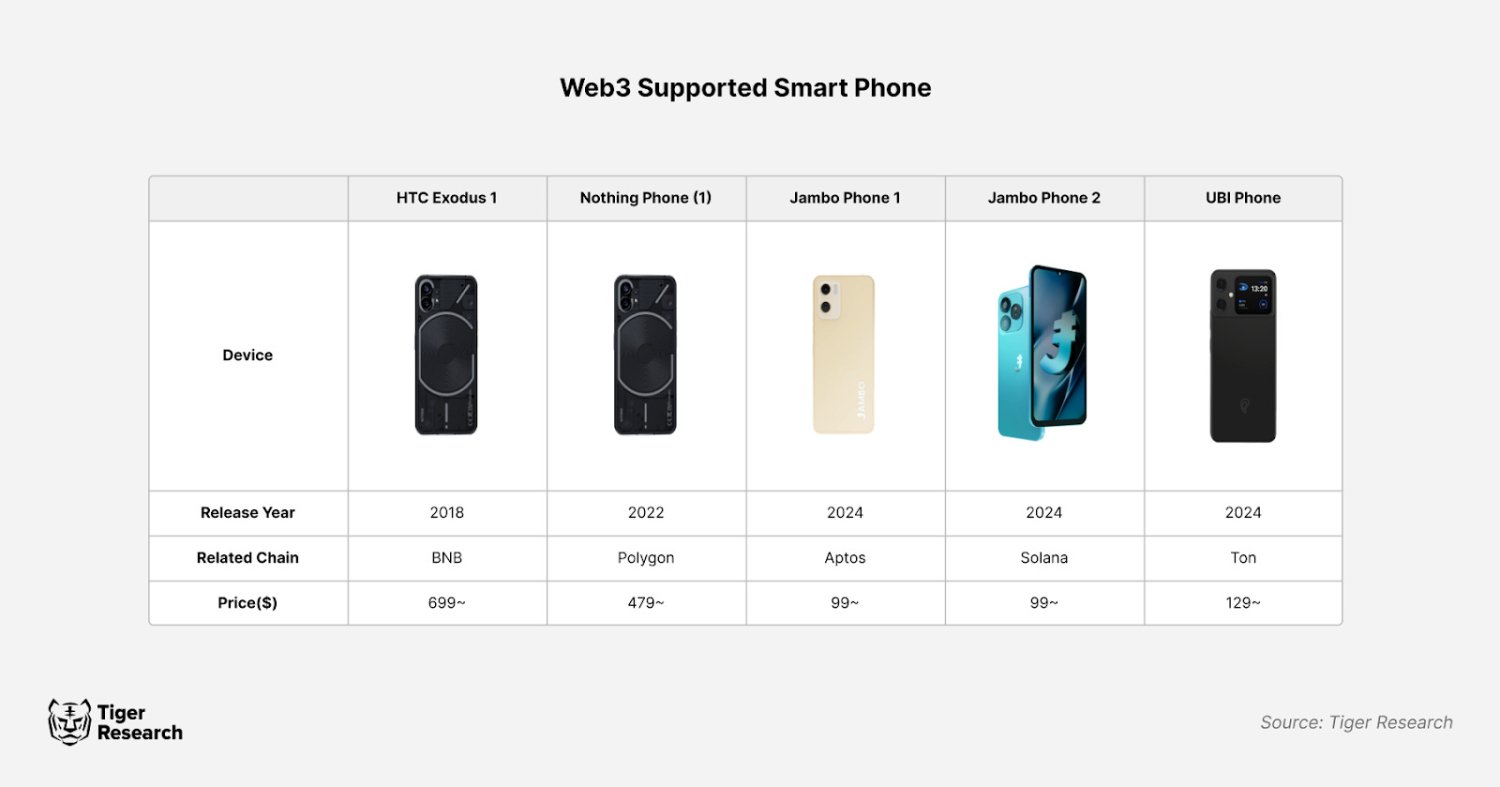 Mobile devices supporting Web3 features are categorized into three types based on their level of integration:
- Web3-Supported Devices: Traditional smartphones with installed wallet and crypto apps.
- Web3-Focused Devices: Smartphones with blockchain tools integrated into their OS.
- Native Web3 Devices: Built exclusively for blockchain applications with advanced features like built-in node clients.
Each type plays a role in advancing Web3 accessibility.
Benefits of Integrating Mobile Technology with Web3
Smartphones provide an ideal platform for accessing decentralized tools due to their portability and widespread use.
Start earning 60% a year with automated trading Free Sign UpKey Benefits:
- Anytime Access: Blockchain services are available on the go.
- Integrated Tools: Native support for crypto wallets and decentralized apps.
- Lower Costs: Reduced dependency on intermediaries.
- Improved Accessibility: Easy entry for beginners and tech-savvy users alike.
These benefits demonstrate the potential of mobile technology in Web3 adoption.
Challenges Facing Web3 Smartphones Integration
Despite the potential, it face notable challenges:
- Hardware Limitations: Often inferior specs compared to traditional premium devices.
- Focus on Rewards: More emphasis on airdrops than on technical enhancements.
- Dependence on App Stores: Reliance on centralized platforms like Google Play.
- User Awareness: Limited understanding of blockchain among mainstream users.
Overcoming these hurdles is essential for achieving scalable Web3 adoption via smartphones.
How Smartphones Can Accelerate Web3 Growth
The collaboration between traditional smartphone brands and blockchain developers is crucial for driving mass adoption of Web3 technologies. Key drivers include:
- Seamless Crypto Wallets: Integrated wallet apps for easy digital asset management.
- Enhanced User Interfaces: Intuitive mobile experiences tailored for decentralized services.
- Scalable Mobile DApps: Blockchain applications optimized for mobile platforms.
- Strategic Partnerships: Collaborations with tech giants like Samsung and Huawei.
These efforts are paving the way for a more integrated Web3 mobile ecosystem.
The Future of Mobile and Web3 Integration
The synergy between smartphones and Web3 is still evolving, but it holds immense promise. Future developments could include:
- Enhanced blockchain security for mobile transactions.
- Scalable blockchain apps designed for mobile-first usage.
- Widespread adoption of decentralized finance (DeFi) tools via smartphones.
- Improved mobile hardware optimized for blockchain processes.
Smartphones are set to play a pivotal role in making Web3 services accessible to a global audience.
Conclusion
The connection between smartphones and Web3 represents a powerful step toward widespread blockchain adoption. Mobile devices provide an accessible, portable, and user-friendly gateway to decentralized applications, cryptocurrency management, and financial inclusion.
While challenges remain, ongoing innovations and partnerships are steadily addressing these barriers. With smartphones acting as the bridge between traditional technology and decentralized networks, the potential for Web3 mass adoption has never been closer.

With over seven years of experience in trading since 2017, I specialize in cryptocurrency markets while sharing insights through engaging content. Proud to rank among the top 100 most popular analysts on TradingView of all time, I bring a blend of expertise, passion, and actionable strategies to the trading community.