
Exchanging cryptocurrencies can be a seamless process when armed with the right knowledge. Whether you’re a beginner or a seasoned trader, understanding key factors in crypto transactions is vital for smooth and secure exchanges. This article outlines five useful and simple tips for exchanging crypto to help you make informed decisions and avoid common pitfalls.
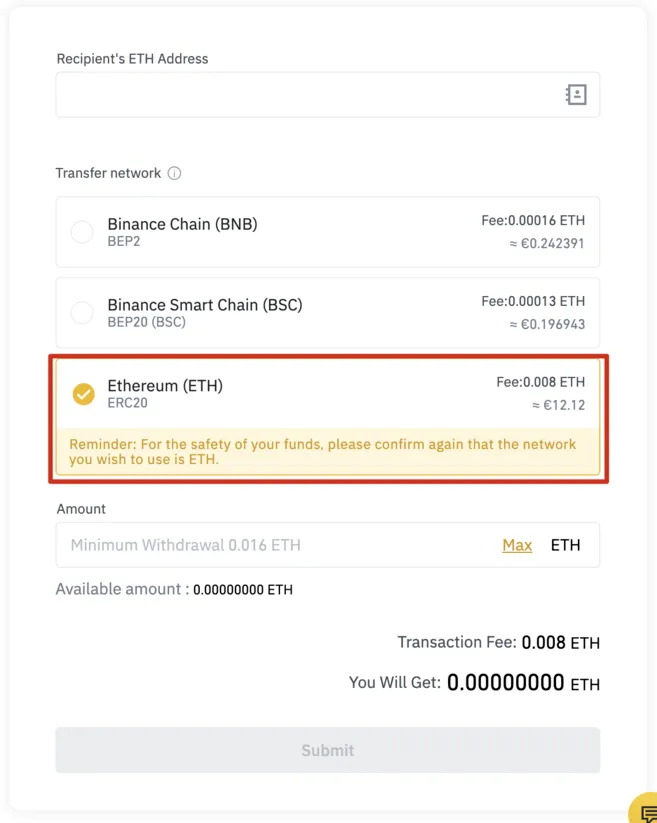
Tips for exchanging crypto: double-check the recipient’s wallet address and its associated network before confirming the transaction.1. Verify the Recipient’s Network

One of the most critical steps in exchanging crypto is ensuring you’re using the correct blockchain network. Different cryptocurrencies operate on specific networks, such as Ethereum’s ERC-20 or Binance Smart Chain’s BEP-20. Sending tokens to the wrong network can result in lost funds or complicated recovery processes.

Key Tip:

Always double-check the recipient’s wallet address and its associated network before confirming the transaction. Taking this extra step ensures your funds are sent securely and efficiently.


2. Understand Floating vs. Fixed Rates

When exchanging crypto, you’ll often encounter two types of rates: floating rates and fixed rates.

  • Fixed Rates: These ensure you exchange your cryptocurrency at a set rate, providing certainty about the amount you’ll receive. However, fixed rates require timely deposits, as network delays can cause cancellations or adjustments.
  • Floating Rates: These rates are subject to market fluctuations and can vary significantly. While they might offer better deals during favorable market conditions, they come with added risks.

Key Tip:

Opt for fixed rates when stability is your priority, and ensure quick deposits to secure the quoted exchange rate.


3. Keep Native Tokens for Gas Fees

Blockchain transactions require “gas fees,” which are paid in the network’s native tokens. For instance:

  • Ethereum network transactions require ETH.
  • Binance Smart Chain transactions need BNB.
  • Polygon (Matic) transactions require MATIC.

Without sufficient native tokens in your wallet, your transactions may fail or be delayed.

Start earning 60% a year with automated trading Free Sign Up

Key Tip:

Maintain a small reserve of the native token in your wallet to cover gas fees for seamless transactions.


4. Double-Check Commission Details

Crypto exchanges and wallets often deduct network fees, which can reduce the amount of cryptocurrency you’re sending. If unaccounted for, this can result in unexpected discrepancies during your transactions.

Key Tip:

Review the commission details and network fees of your chosen platform to ensure you send the correct amount and avoid surprises.


5. Don’t Overlook the Memo

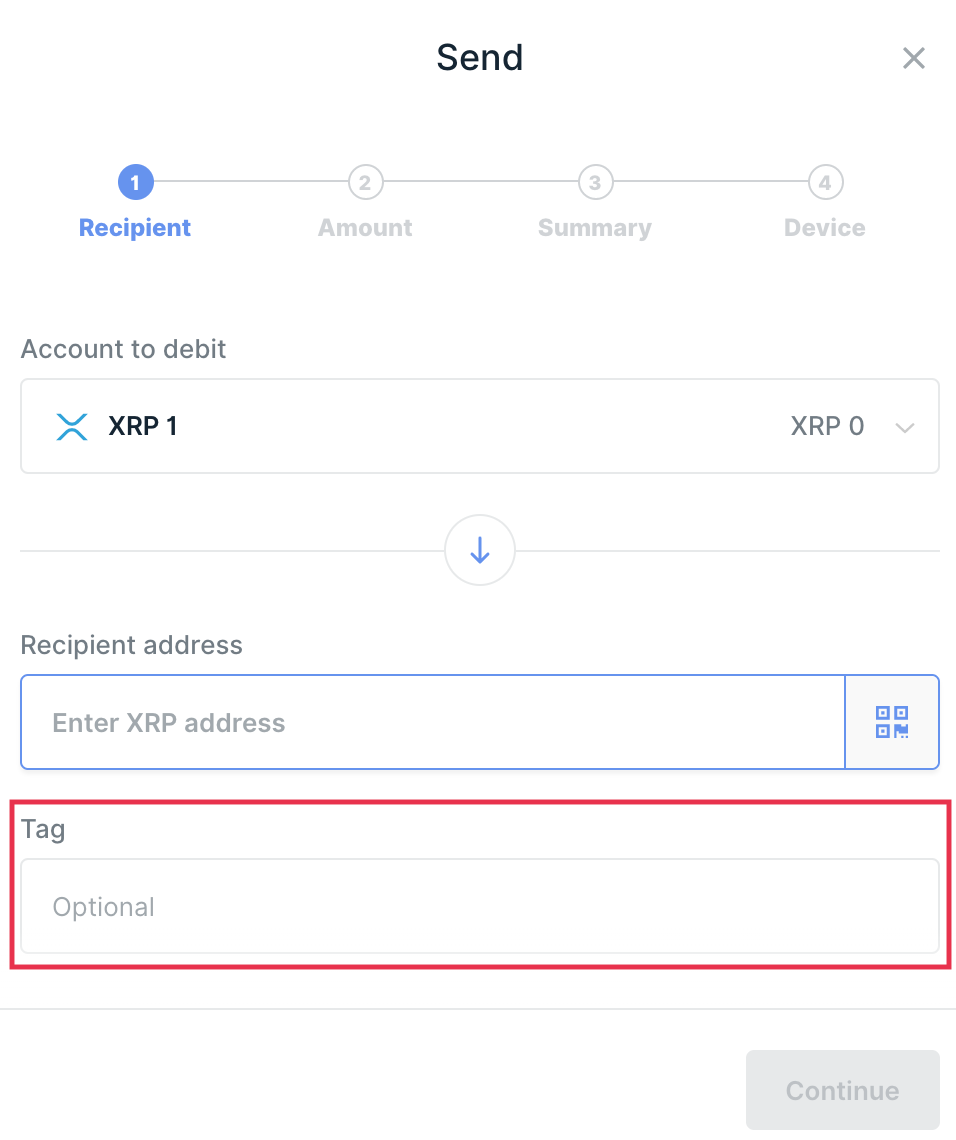
Many cryptocurrency transactions, particularly those involving platforms like XRP, require a memo or additional transaction details. This information ensures your funds are correctly allocated to the recipient’s account.

Key Tip:

Always check if the transaction requires a memo or additional information before finalizing the exchange. Missing this step could result in delays or misallocated funds.


Summary

Exchanging cryptocurrencies doesn’t have to be daunting. By following these five simple tips for exchanging crypto, you can ensure your transactions are secure, efficient, and hassle-free:

  1. Verify the recipient’s network to prevent lost funds.
  2. Choose between floating and fixed rates based on your needs.
  3. Keep native tokens for gas fees to enable smooth transactions.
  4. Understand and account for commission details to avoid discrepancies.
  5. Always include memos when required to ensure proper fund allocation.

By integrating these practices into your crypto exchange routine, you can streamline the process and avoid common errors.