

Introduction to Beginners Crypto Mistakes
Entering the world of cryptocurrency is both exciting and overwhelming. With the promise of financial freedom and life-changing returns, many beginners jump in without fully understanding the risks and nuances of the crypto space. Unfortunately, this can lead to costly errors. In this article, we’ll explore the biggest beginners crypto mistakes, explain how to avoid them, and offer practical tips to help you navigate your crypto journey more confidently.
Article summary
1. FOMO (Fear of Missing Out)
 One of the most common beginners crypto mistakes is succumbing to FOMO (Fear of Missing Out). When the price of a cryptocurrency starts skyrocketing, the urge to jump in and not miss out on potential profits becomes overwhelming.
Why It’s a Mistake:
- Buying during peak price increases often results in buying at inflated prices.
- A market correction can quickly erase those gains.
How to Avoid It:
- Have a predefined investment plan.
- Avoid emotional decisions—stick to your strategy.
- Wait for dips rather than chasing green candles.
Key Lesson: Patience often pays better than impulse buying.
2. Panic Selling
Crypto markets are notoriously volatile. Seeing your portfolio lose value overnight can be nerve-wracking, and many beginners react by panic-selling.
Start earning 60% a year with automated trading Free Sign UpWhy It’s a Mistake:
- Selling during market dips locks in losses.
- Crypto markets have a history of recovery after major downturns.
How to Avoid It:
- Set a stop-loss strategy beforehand.
- Avoid emotional reactions to market fluctuations.
- Focus on long-term trends rather than short-term price movements.
Key Lesson: Don’t let fear drive your financial decisions.
3. Underestimating Volatility
Cryptocurrencies are not stable investments—they are volatile assets. Daily swings of 5-10% are common, and larger drops can occur in bear markets.
Why It’s a Mistake:
- Many beginners expect constant upward momentum.
- Sudden drops lead to panic and impulsive decisions.
How to Avoid It:
- Only invest what you can afford to lose.
- Diversify your investments.
- Mentally prepare for price swings.
Key Lesson: Understand and accept volatility as part of crypto investing.
4. Checking Prices Constantly
Obsessively checking crypto prices every few minutes is a habit many beginners develop.
Why It’s a Mistake:
- Constant monitoring creates unnecessary stress.
- Emotional reactions to small fluctuations often lead to bad decisions.
How to Avoid It:
- Check prices at regular intervals, not every few minutes.
- Focus on long-term goals rather than short-term gains.
Key Lesson: Treat your investment like a garden—tend to it occasionally, not obsessively.
5. Not Protecting Private Keys
Private keys and seed phrases are the gateway to your cryptocurrency wallets. Losing them or sharing them with others can mean losing your funds forever.
Why It’s a Mistake:
- Once private keys are lost or exposed, funds cannot be recovered.
- Scammers often trick users into revealing their keys.
How to Avoid It:
- Store private keys securely offline.
- Never share your seed phrase with anyone.
- Use hardware wallets for larger investments.
Key Lesson: Your private keys are your responsibility—protect them like your life savings.
6. Believing You Need to Buy a Whole Coin
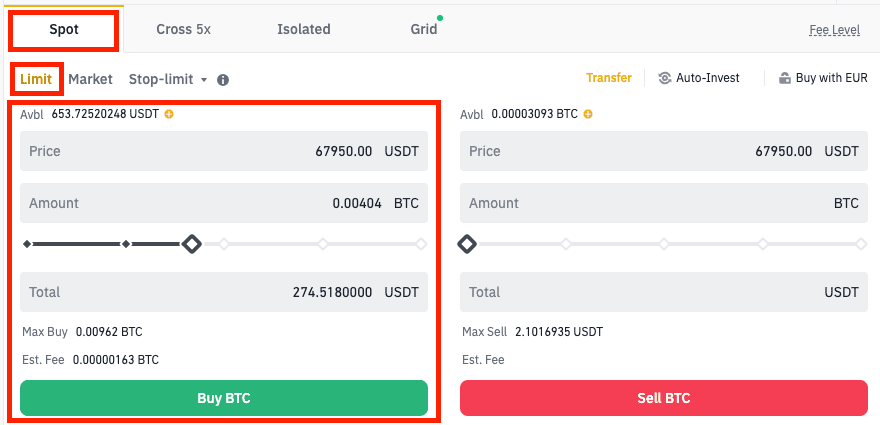 Many beginners believe they need to buy an entire Bitcoin or Ethereum coin to start investing.
Why It’s a Mistake:
- This misconception prevents people from entering the market.
- Cryptocurrencies are divisible; you can buy fractions of a coin.
How to Avoid It:
- Understand that Bitcoin can be purchased in small units called satoshis.
- Start small and scale your investment over time.
Key Lesson: You don’t need thousands of dollars to start investing in crypto.
7. Ignoring Two-Factor Authentication (2FA) Backup Codes
2FA is a crucial layer of security, but beginners often overlook backing up their recovery codes.
Why It’s a Mistake:
- Losing your 2FA access can lock you out of your accounts.
- Recovery without backup codes is time-consuming and challenging.
How to Avoid It:
- Save your recovery codes securely.
- Store them offline in multiple safe locations.
Key Lesson: Secure your 2FA details as carefully as your private keys.
8. Sending Funds to the Wrong Address
Blockchain transactions are irreversible. Sending funds to an incorrect address means they’re gone forever.
Why It’s a Mistake:
- Even a single character mistake can result in lost funds.
- Some cryptocurrencies require destination tags or memos.
How to Avoid It:
- Double-check wallet addresses before confirming transactions.
- Use address labels for frequently used accounts.
Key Lesson: Verify, verify, and verify again before hitting ‘send’.
9. Investing Without Research (DYOR)
“Do Your Own Research (DYOR)” is one of the most repeated mantras in crypto. Jumping into investments without understanding them is a recipe for disaster.
Why It’s a Mistake:
- Scammers exploit uninformed investors.
- Many projects lack real utility or long-term vision.
How to Avoid It:
- Read whitepapers carefully.
- Follow reputable crypto sources.
- Understand tokenomics and project roadmaps.
Key Lesson: Knowledge is your best defense in the crypto market.
10. Falling for Scams
From phishing schemes to fake giveaways, scams are rampant in the crypto space.
Why It’s a Mistake:
- Scams often promise unrealistic returns.
- Trusting fake websites or influencers can result in heavy losses.
How to Avoid It:
- Never trust “too good to be true” offers.
- Double-check website URLs and social media accounts.
- Avoid sending funds to unknown individuals.
Key Lesson: If something feels off, it probably is.
11. Ignoring Fees and Gas Costs
Crypto transactions often involve fees, especially on congested networks like Ethereum.
Why It’s a Mistake:
- High gas fees can eat into profits.
- Beginners might unknowingly overpay for simple transactions.
How to Avoid It:
- Understand fee structures on your chosen network.
- Use tools to track gas prices and plan transactions accordingly.
Key Lesson: Small fees can add up—manage them wisely.
12. Reacting to FUD (Fear, Uncertainty, Doubt)
FUD spreads misinformation and fear, leading to panic selling and poor investment choices.
Why It’s a Mistake:
- FUD stories often lack reliable data.
- Emotional reactions to negative news rarely end well.
How to Avoid It:
- Verify information from credible sources.
- Avoid knee-jerk reactions to headlines.
Key Lesson: Stay calm and stick to your investment strategy.
Conclusion: Learn and Grow in Crypto
The world of cryptocurrency offers immense opportunities, but it also demands responsibility and caution. Avoiding beginners crypto mistakes can save you time, money, and stress.
- Stay informed.
- Protect your private keys.
- Avoid emotional decisions.
Crypto isn’t a get-rich-quick scheme—it’s an evolving financial landscape. Take the time to learn, plan, and execute your investments carefully. The potential rewards are worth the effort.

With over seven years of experience in trading since 2017, I specialize in cryptocurrency markets while sharing insights through engaging content. Proud to rank among the top 100 most popular analysts on TradingView of all time, I bring a blend of expertise, passion, and actionable strategies to the trading community.