
Article summary
Introduction
In the world of trading, every decision is influenced by data, market behavior, and human psychology. However, cognitive biases in trading often disrupt rational thinking, leading to suboptimal decisions. These biases—mental shortcuts shaped by emotions and perception—can cloud judgment, distort risk assessment, and impact trade outcomes.
In this article, we’ll explore four lesser-known cognitive biases in trading, examine their effects on trading decisions, and share practical strategies to overcome them. Understanding these psychological traps is essential for developing a resilient and objective trading mindset.
1. Loss Aversion: Fear of Losing Over Winning
What is Loss Aversion in Trading?
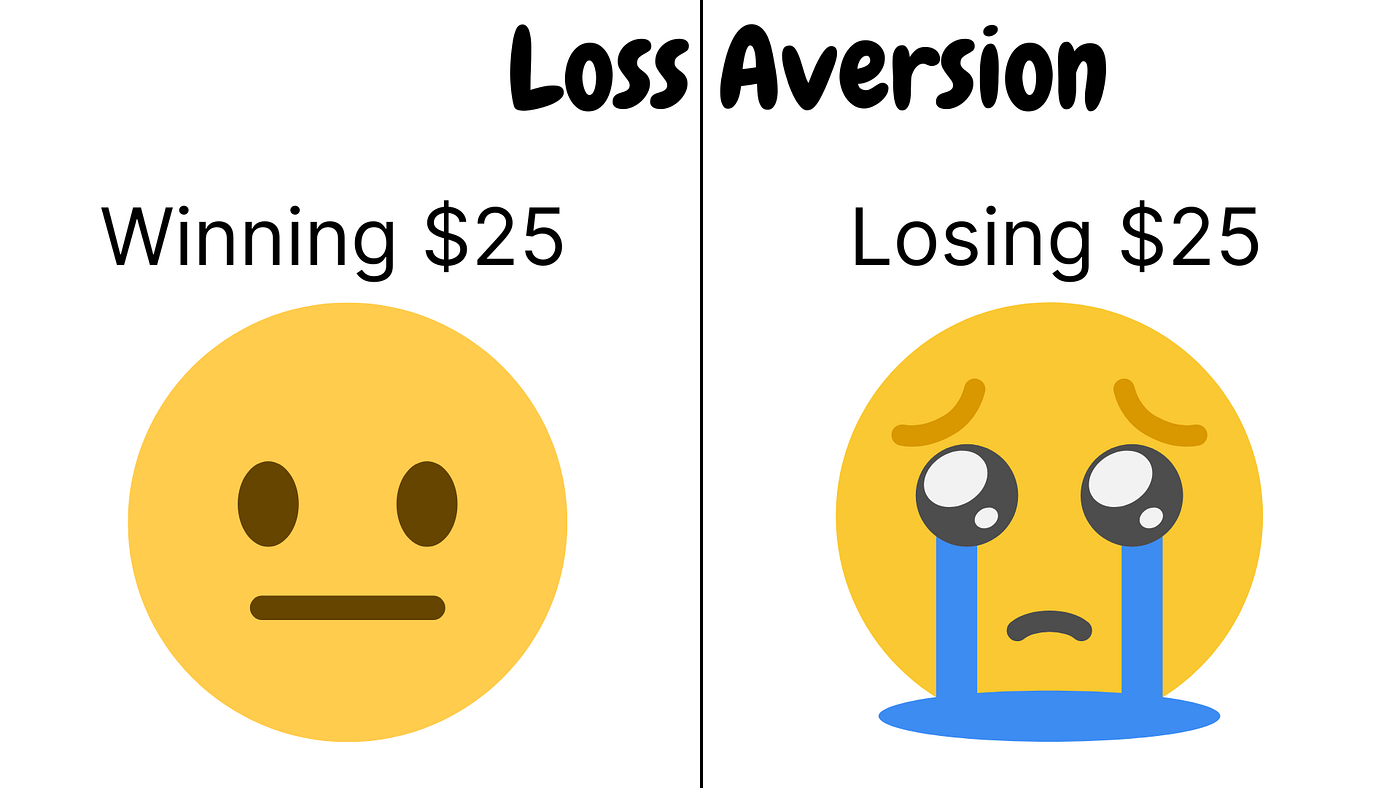 Loss aversion is one of the most common cognitive biases in trading, where traders prioritize avoiding losses over achieving gains of equal value. Research shows that the pain of losing $100 feels more intense than the satisfaction of earning $100.
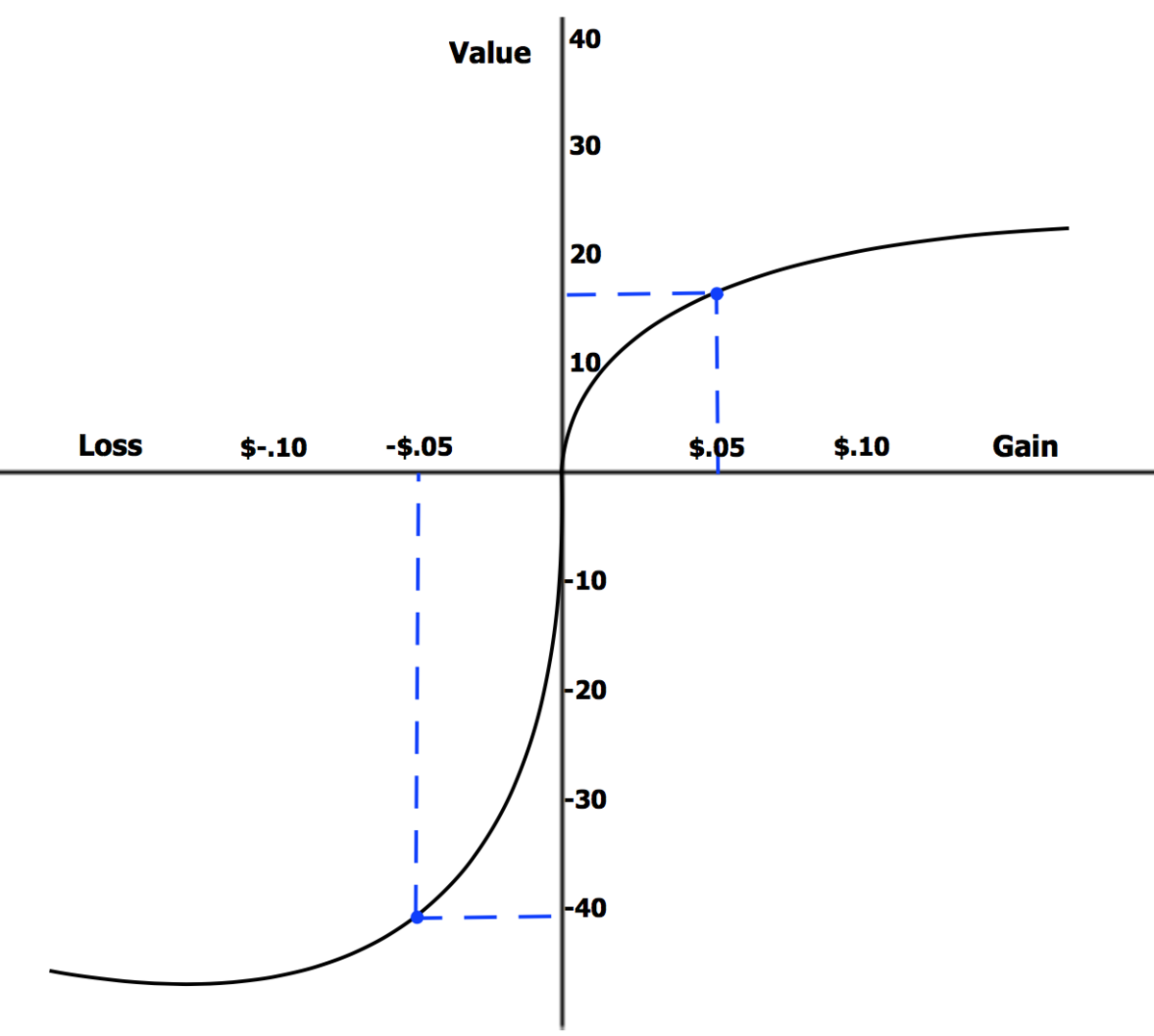 How Loss Aversion Affects Trading:
- Traders may prematurely exit profitable trades to lock in small gains.
- They might hold onto losing positions longer, hoping for a reversal.
- Emotional hesitation can prevent traders from capitalizing on high-probability setups.
Example:
A trader avoids entering a trade with favorable odds because of recent losses, despite data supporting the opportunity.
How to Overcome Loss Aversion in Trading:
Start earning 60% a year with automated trading Free Sign Up- Follow a predefined risk management strategy.
- Accept losses as an inherent part of trading.
- Focus on long-term performance rather than short-term setbacks.
2. Hindsight Bias: The Illusion of Predictability
What is Hindsight Bias in Trading?
Hindsight bias happens when traders believe they “knew it all along” after an event has occurred. This cognitive bias in trading creates an illusion of predictability, often distorting lessons learned from past trades.
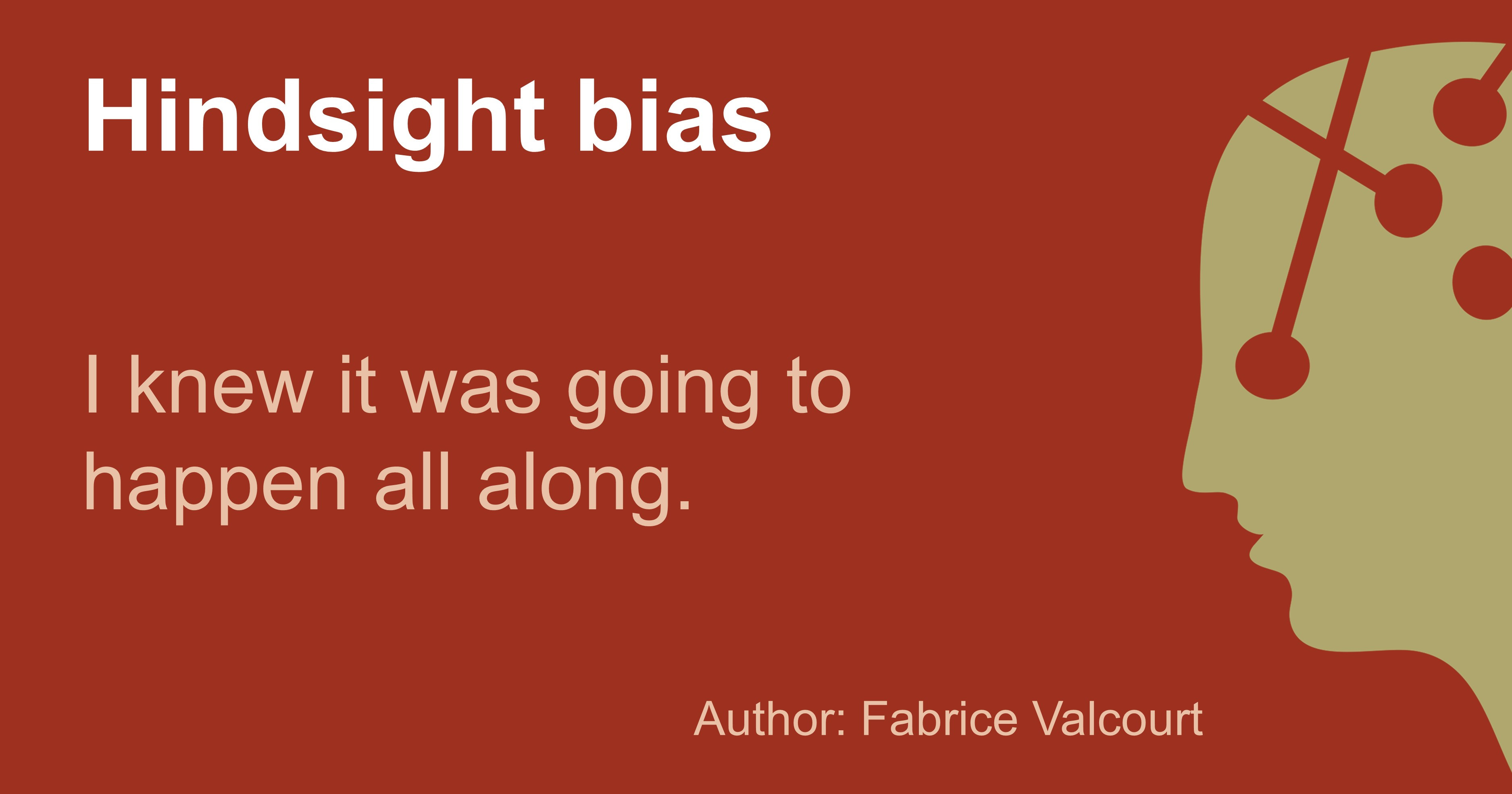 How Hindsight Bias Affects Trading:
- Overconfidence in future predictions.
- Poor analysis of past mistakes, reducing growth opportunities.
- Ignoring objective insights in favor of perceived foresight.
Example:
A trader claims they knew a stock would rally but failed to act on their supposed foresight.
How to Overcome Hindsight Bias in Trading:
- Keep a detailed trading journal to document decisions and reasoning.
- Analyze both wins and losses objectively.
- Avoid overconfidence after a favorable outcome.
3. Anchoring Bias: Relying on Initial Information
What is Anchoring Bias in Trading? Anchoring bias occurs when traders rely too heavily on initial information when making decisions, even when subsequent data suggests a different direction.
How Anchoring Bias Affects Trading:
- Traders might cling to outdated predictions or forecasts.
- Disregard for updated market data or emerging trends.
- Unrealistic expectations based on initial analysis.
Example:
A trader hears an analyst predict Bitcoin will hit $100,000 and refuses to adjust their strategy as market dynamics shift.
How to Overcome Anchoring Bias in Trading:
- Continuously reassess market conditions.
- Use multiple sources for market analysis.
- Stay adaptable to new information.
4. Availability Heuristic: Overvaluing Recent Events
What is Availability Heuristic in Trading?
This cognitive bias in trading occurs when traders assess the likelihood of events based on how easily they can recall similar past events. Dramatic news or sensational trends often influence these judgments.
 How Availability Heuristic Affects Trading:
- Traders may overestimate the impact of recent market crashes.
- Emotional responses to market news can lead to impulsive trades.
- Skewed risk perception based on vivid events.
Example:
A trader panics and sells assets after news of a market crash, despite stable underlying fundamentals.
How to Overcome Availability Heuristic in Trading:
- Base trading decisions on statistical data, not emotions.
- Diversify news sources to get a balanced view.
- Take time to review historical trends before acting.
Why Recognizing Cognitive Biases in Trading Matters
Understanding and addressing cognitive biases in trading is crucial for consistent success. These biases—loss aversion, hindsight bias, anchoring bias, and availability heuristic—can create emotional barriers, causing traders to act irrationally.
Traders who actively recognize and mitigate these biases are better equipped to:
- Make rational, data-driven decisions.
- Stick to their trading plans and risk management strategies.
- Improve long-term trading performance through objective analysis.
Closing Thoughts
No trader is immune to cognitive biases in trading, but awareness is the first step toward reducing their impact. Whether it’s loss aversion, hindsight bias, anchoring bias, or the availability heuristic, recognizing these patterns can lead to smarter and more objective trading decisions.
In a market driven by emotions and volatility, self-awareness is just as important as technical analysis. By identifying biases and adopting disciplined strategies, traders can navigate the markets with confidence and clarity.

With over seven years of experience in trading since 2017, I specialize in cryptocurrency markets while sharing insights through engaging content. Proud to rank among the top 100 most popular analysts on TradingView of all time, I bring a blend of expertise, passion, and actionable strategies to the trading community.