
-
 Create
account -
 Build trading strategies
with no code -
 Validate
& Backtest -
 Connect exchange
& start earning
Algorithmic Strategies & Backtesting results for SOL
Here are some SOL trading strategies along with their past performance. You can validate these strategies (and many more) for free on Vestinda across thousands of assets and many years of historical data.
Algorithmic Trading Strategy: Lock and keep profits on SOL
Based on the backtesting results statistics for the trading strategy, spanning from February 26, 2021, to October 22, 2023, several notable figures emerge. The profit factor stands at 1.9, indicating a reasonably positive outcome. The annualized return on investment (ROI) impressively reaches 287.56%, showcasing the strategy's ability to generate substantial profits over time. On average, each trade sustains a holding period of around 6 weeks and 5 days, providing insight into the strategy's approach. With an average of 0.05 trades per week and a total of 8 closed trades throughout the period, there appears to be caution in executing trades frequently. The strategy's win rate is 50%, potentially indicating room for improvement. Nevertheless, it outperforms a buy and hold strategy impressively, delivering excess returns of 289.05%. Overall, these results suggest an intriguing and potentially profitable trading strategy.

 SOLUSDT

Choose another period and try again.
Algorithmic Trading Strategy: Follow the trend on SOL
The backtesting results of the trading strategy conducted from November 18, 2020, to December 8, 2023, showcase promising statistics. The profit factor achieved was 2.04, indicating that for every dollar risked, a profit of $2.04 was generated. The annualized ROI stands impressively at 949.03%, showcasing significant returns throughout the observed period. On average, each position was held for approximately one week, while 0.37 trades were executed per week. A total of 60 trades were closed, and the return on investment reached a remarkable 2875.84%. Additionally, the strategy's success rate showcased a winning trades percentage of 31.67%. These impressive statistics highlight the profitability and potential effectiveness of the trading strategy.
SOLUSDT
Choose another period and try again.
SOLUSDT (Solana) Paper Trading: A Beginner's Guide
Introduction
Paper trading is a risk-free way to practice trading without using real money, making it an ideal starting point for beginners. For those interested in trading Solana (SOL), paper trading offers a safe environment to learn market mechanics, test strategies, and build confidence before moving into live trading. This guide will explain the basics of paper trading for SOL/USDT, including the benefits, platforms, and strategies to get you started.
What is Paper Trading?
- Definition: Paper trading, also known as simulated trading, allows users to place trades using virtual funds rather than real money. This simulation replicates real market conditions, helping traders learn without financial risk.
- Purpose: Paper trading provides an opportunity to test and refine trading strategies in live markets, making it especially useful for beginners who want to build trading skills.
Why Paper Trade SOLUSDT?
- Volatility and Opportunity: SOL is known for its price fluctuations, offering numerous opportunities for trading strategies in both upward and downward trends.
- Hands-On Experience: Practicing with SOLUSDT helps beginners understand how to respond to market movements and manage trades effectively.
- Risk-Free Learning: Paper trading allows users to learn from mistakes and fine-tune their approach without risking capital.
Getting Started with SOLUSDT Paper Trading:
Choosing a Paper Trading Platform:
- Popular Platforms: Many trading platforms offer paper trading for crypto pairs like SOL/USDT, including Binance, TradingView, and simulated accounts on platforms like Investopedia.
- Platform Features to Look For:
- Real-time or near-real-time market data for accurate simulations
- A variety of indicators and tools for testing different strategies
- Access to historical data for backtesting and performance analysis
- Tip: Start with a platform that aligns with your goals and offers easy access to SOL/USDT for seamless practice.
Setting Up Your Paper Trading Account:
- Initial Balance: Set a virtual balance that reflects the amount you’d realistically invest in a live account, helping to keep your practice sessions grounded.
- Familiarize with Platform Tools: Explore the platform’s features, from charting tools to order types like market, limit, and stop orders, to simulate real trading scenarios accurately.
- Tip: Avoid large virtual balances that you wouldn’t use in real trading, as they can lead to unrealistic expectations.
Understanding SOLUSDT Trading Basics:
- Market Fundamentals: Learn about Solana’s role in the crypto ecosystem, factors that affect its price, and how it behaves in different market conditions.
- Key Trading Concepts: Familiarize yourself with key trading concepts like support and resistance levels, trendlines, and candlestick patterns to interpret SOL’s price movement effectively.
- Tip: Take notes on how SOL’s price reacts to external factors like news events, which often drive market sentiment.
SOLUSDT Paper Trading Strategies for Beginners:
Basic Trend-Following Strategy:
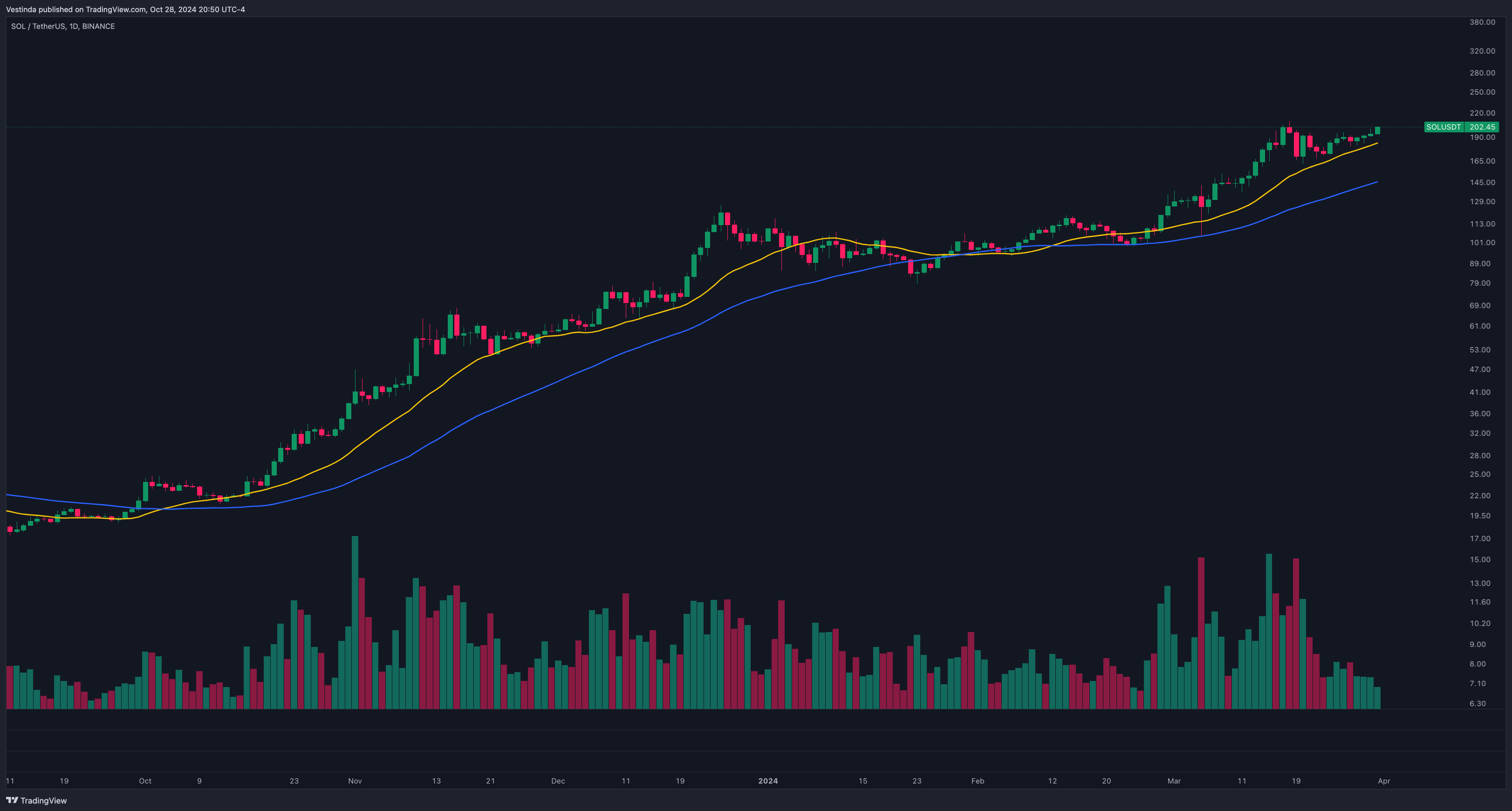
Concept: Follow the prevailing trend in SOL/USDT by identifying upward or downward movements.
How to Implement:
- Indicators: Use moving averages, such as the 20-period and 50-period, to confirm trends.
- Entry and Exit: Buy when the shorter moving average crosses above the longer one, indicating an uptrend. Sell when the shorter moving average crosses below the longer one, signaling a downtrend.
- Paper Trading Tip: Practice entering and exiting trades based on trend signals, tracking how often trades succeed or fail to improve your timing.
Support and Resistance Levels:
Concept: Buy near support levels (price floors) and sell near resistance levels (price ceilings), expecting price reversals at these levels.
How to Implement:
- Indicators: Use horizontal lines to mark strong support and resistance levels on the chart.
- Entry and Exit: Buy when the price approaches a support level and sell when it nears resistance, aiming for a bounce off these levels.
- Paper Trading Tip: Track the accuracy of your support/resistance trades to refine your level placement skills over time.
Breakout Strategy:
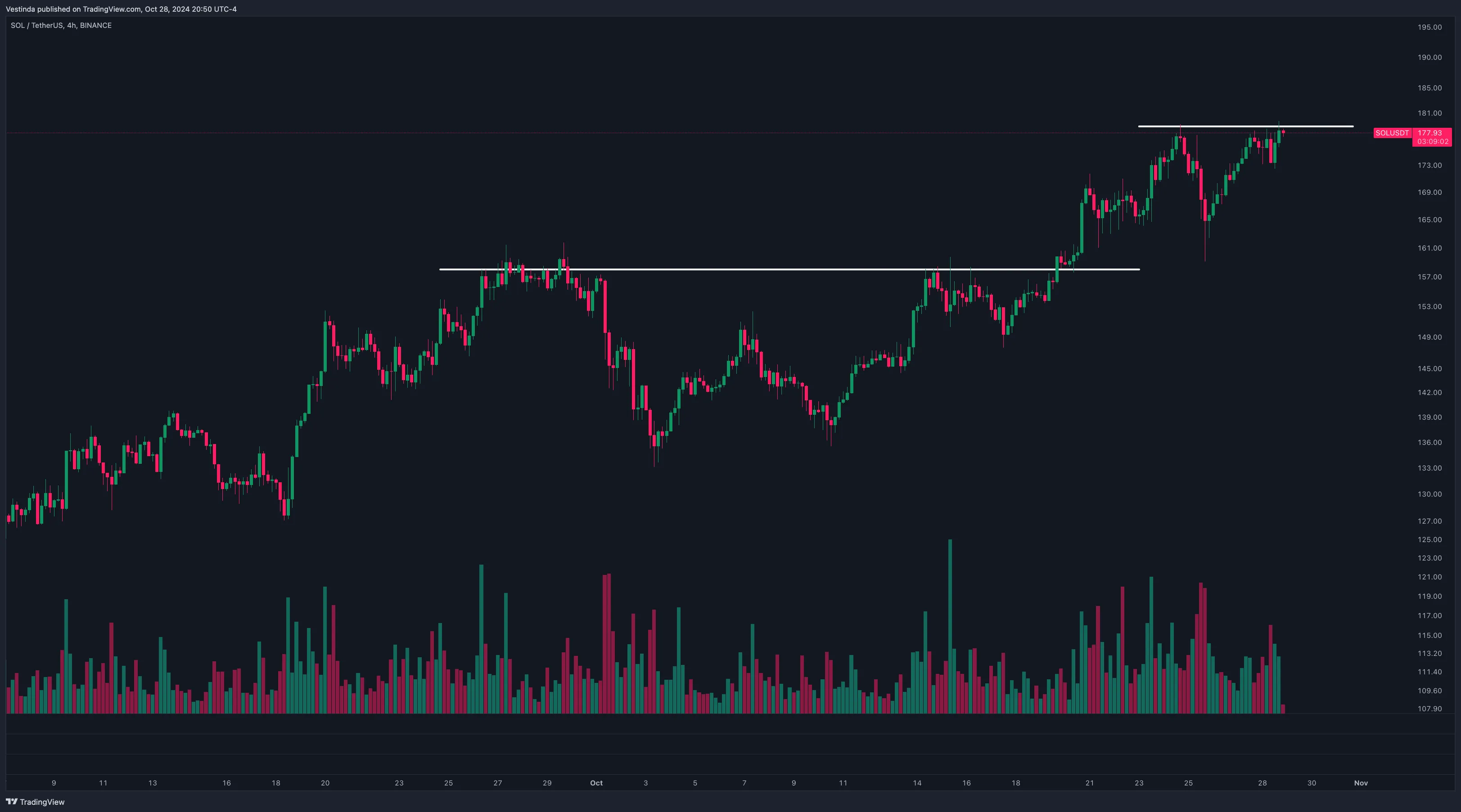
Concept: Capture profits by trading on the momentum of price breaking through key support or resistance levels.
How to Implement:
- Indicators: Use trendlines or Bollinger Bands to identify consolidating price ranges.
- Entry and Exit: Buy when the price breaks above resistance or sell when it breaks below support, using high volume as confirmation.
- Paper Trading Tip: Test breakouts with stop-loss orders to simulate protection against false breakouts, learning how to limit losses effectively.
Moving Average and RSI Combo:
Concept: Moving averages help identify the trend, while RSI confirms overbought or oversold conditions, giving stronger buy or sell signals.
How to Implement:
- Indicators: Use a 20-period moving average and RSI set to 14-period.
- Entry and Exit: Buy when the price is above the moving average, and RSI shows oversold conditions (below 30). Sell when the price is below the moving average and RSI is overbought (above 70).
- Paper Trading Tip: Practice using RSI as a momentum filter, testing how effective it is in improving trade accuracy.
Tracking Your Paper Trading Performance:
Logging Trades:
Purpose: Keep a record of every paper trade, including entry and exit points, strategy used, and results.
How to Implement: Use a trading journal or spreadsheet to log your trades and analyze performance over time.
Tip: Include notes on what went well or poorly in each trade, allowing you to identify patterns and improve decision-making.
Analyzing Win Rate and Profit/Loss Ratios:
Purpose: Determine the effectiveness of each strategy by calculating the percentage of successful trades and the average profit/loss per trade.
How to Implement: Review your trading log monthly to evaluate strategy performance and make adjustments as needed.
Tip: Focus on increasing your win rate or average profit per trade to improve your overall strategy.
Refining Your Strategies:
Purpose: Use your performance data to adjust strategy settings, such as indicator periods or entry/exit rules, for better results.
How to Implement: Test one adjustment at a time, such as changing a moving average period or adding a confirmation indicator to refine the strategy without adding complexity.
Tip: Avoid frequent adjustments; instead, gather enough data to assess whether a tweak genuinely improves the strategy’s performance.
Transitioning from Paper Trading to Live Trading:
Simulate Realistic Trading Conditions:
Concept: Make your paper trading setup as close to a real account as possible, limiting your virtual balance and setting realistic profit targets.
Why It’s Important: This practice prepares you for the emotions and discipline required in live trading, helping you stay grounded when using real funds.
Start Small in Live Trading:
Concept: When ready, begin live trading with small amounts, gradually increasing your position sizes as your confidence and skills grow.
Why It’s Important: Small positions limit your risk exposure while you adapt your paper trading strategies to live market conditions.
Continue Tracking and Adapting:
Concept: Keep a trading journal for your live trades, analyzing your performance as you did in paper trading to refine your strategies.
Why It’s Important: This habit ensures you stay disciplined, continuously improving based on real-world results.
Paper trading SOL/USDT offers beginners a risk-free way to learn trading strategies, manage trades, and understand market dynamics. By practicing trend-following, support/resistance, breakout, and momentum strategies, you can develop a well-rounded approach to trading. Once you’re consistently profitable in your paper trades, you’ll be better prepared to transition to live trading with confidence and discipline.
Comparing SOL Trading: Virtual Vs. Real Accounts
When it comes to trading, whether you are a beginner or an experienced trader, one important decision you have to make is whether to paper trade or engage in live trading. Paper trading, or simulated trading, offers several advantages. It allows you to test your strategies and ideas without the risk of losing real money. You can gain valuable experience in a risk-free environment and learn from your mistakes. On the flip side, paper trading lacks the emotional aspect of live trading, so it may not accurately reflect your performance when you switch to real trading. In live trading, you face real market conditions and emotions, which can be a valuable learning experience. However, it also entails the risk of losing your investments if you are not careful. Overall, both paper trading and live trading can complement each other and serve different purposes in your trading journey. Whether you choose to paper trade or live trade, always remember to do your research and practice proper risk management to maximize your chances of success in the volatile world of trading.
Simulating Market Liquidity with SOL Paper Trading
Simulating market liquidity in SOL paper trading is essential for new investors. It allows them to gain practical experience without risking real money. Traders can learn how to navigate the dynamic market conditions by using simulated liquidity data. These simulations are based on historical trading patterns and can help investors understand price movements. By participating in paper trading, investors can test different trading strategies and assess their effectiveness. This virtual environment also promotes a better understanding of market depth and order execution. Additionally, paper trading can help investors build confidence and improve their decision-making skills. It allows them to learn from their mistakes without the fear of losing real capital. In conclusion, simulating market liquidity in SOL paper trading is a valuable tool for novice investors to gain experience and develop their trading abilities.
Insights from Historical SOL Data Analysis
Analyzing historical data is crucial for gaining valuable insights in paper trading on SOL. By examining past market trends and patterns, traders can make more informed decisions. Historical data provides a better understanding of price movements, support and resistance levels, and market volatility. It allows traders to identify potential entry and exit points based on historical price action and indicators. With SOL's growing popularity, analyzing historical data becomes even more important as it helps traders plan their strategies and manage risk. Furthermore, historical data analysis enables traders to backtest their trading strategies to assess their effectiveness before risking real capital. By studying historical data, traders can fine-tune their trading approaches and increase their chances of success in the SOL market.
SOL Trading: Examining Psychological Factors for Success
Psychological factors play a crucial role in paper trading SOL. The fear of losing can lead traders to make impulsive decisions, while the desire to win can lead to overconfidence. Doubt and hesitation can prevent traders from making the right moves, while greed can cloud their judgment. Emotions like frustration and anger can also impact their decision-making process. Traders need to maintain a disciplined mindset, controlling their emotions and making rational decisions, even in the face of market volatility. Developing mental resilience and patience is key to managing the psychological challenges of paper trading SOL.






Frequently Asked Questions
One way to trade without money is through bartering. Bartering involves exchanging goods or services for other goods or services, without the involvement of money. For example, if you have a skill such as photography or graphic design, you can offer your services to someone in exchange for something you need, like car repair or tutoring. Online platforms and local community groups can facilitate these exchanges. Additionally, you can consider joining networks or communities that promote sharing or swapping of items or skills, allowing you to trade without relying on money.
Dummy trading, also known as paper trading or virtual trading, is a practice in which individuals trade financial instruments, such as stocks or currencies, using simulated or virtual money instead of real funds. It allows individuals to gain practical experience and test their trading strategies without risking their actual capital. Dummy trading platforms usually provide real-time market data and simulation tools to replicate the trading environment accurately. While it does not involve real money, dummy trading offers a valuable learning tool for beginners or experienced traders to practice and refine their trading skills before venturing into live trading.
No, there are no fees associated with paper trading SOL. Paper trading is a virtual trading simulation that allows users to practice trading without risking real money. It is a valuable tool for beginners to learn and gain experience in the market without incurring any financial losses. With paper trading, users can test various strategies, explore different markets, and hone their trading skills, all without incurring any fees or expenses. It is an excellent way to build confidence and knowledge before venturing into live trading.
There isn't a specific time frame for how long you should paper trade as it depends on your individual needs and goals. However, it is generally recommended to paper trade until you feel confident and consistently profitable in your virtual trading. This could take weeks or even months of practice. The key is to thoroughly understand the mechanics and strategies involved in trading before risking real money. Regularly analyzing and adjusting your paper trading results will help you gauge your progress and determine when you're ready to transition to live trading. Remember, patience and discipline are crucial when developing your trading skills.
Conclusion
In conclusion, SOL (Solana) paper trading is a valuable tool for both beginner and experienced traders. It allows you to practice and refine your trading strategies without risking real money. By participating in paper trading, you can gain valuable experience, test different techniques, and make informed decisions before diving into the real world of cryptocurrency trading. However, it's important to remember that paper trading lacks the emotional aspect of live trading, so it may not accurately reflect your performance when you switch to real trading. Ultimately, both paper trading and live trading have their advantages and can complement each other in your trading journey. So, whether you choose to paper trade or live trade, always remember to do your research, practice proper risk management, and maintain a disciplined mindset to maximize your chances of success in the volatile world of trading.

Successful traders rely on backtesting to be profitable.
Be like them with our
Free Backtesting Guide