

The concept of a Bitcoin reserve currency has sparked intense debate among economists, policymakers, and crypto enthusiasts alike. As traditional reserve currencies like the U.S. dollar face increasing scrutiny due to geopolitical tensions and inflation concerns, Bitcoin’s decentralized nature and fixed supply make it an intriguing candidate. However, for Bitcoin to secure its position as a global reserve currency, it must overcome significant challenges, including price volatility and integration into the existing financial systems. This article explores the potential, advantages, and hurdles of Bitcoin becoming a reserve currency on the global stage.
Article summary
What are Reserve Currencies?
A reserve currency is a widely held currency by central banks and financial institutions, used for international trade, debt obligations, investments, and managing exchange rates. Commodities like oil and gold are often priced in reserve currencies, enabling seamless international trade without constant currency exchanges.
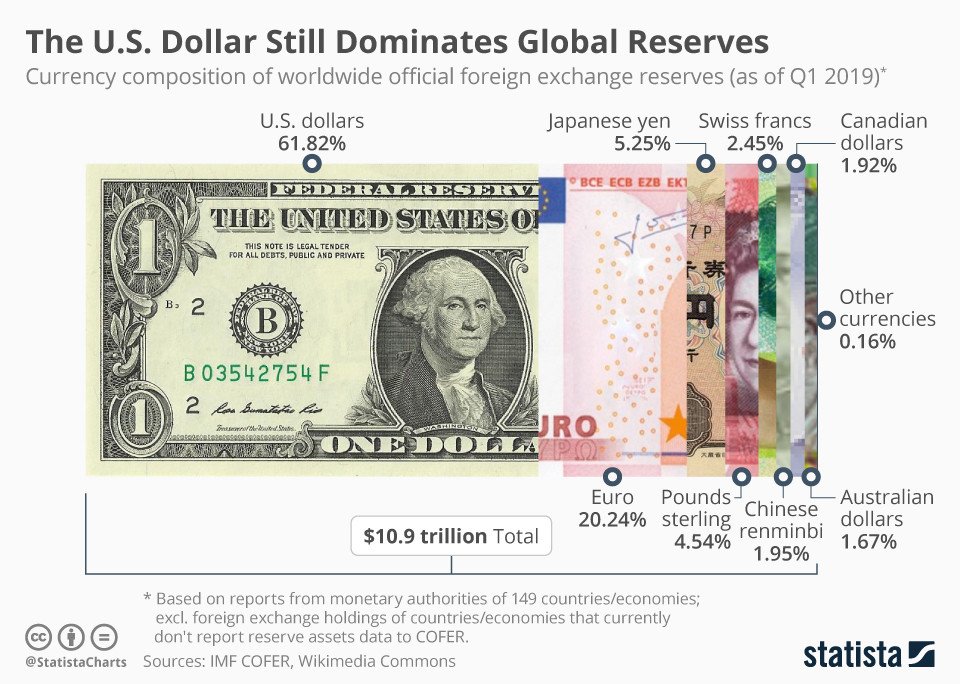 The International Monetary Fund (IMF) recognizes eight major reserve currencies: the U.S. dollar, Australian dollar, British pound sterling, Canadian dollar, euro, Chinese renminbi, Japanese yen, and Swiss franc. The U.S. dollar dominates, making up about 59% of global foreign exchange reserves.
Requirements for Becoming a Reserve Currency
To qualify as a reserve currency, it must:
- Be widely accepted in global financial markets.
- Retain stable value across varying economic conditions.
- Have high liquidity to facilitate global trade and investments.
Furthermore, trust and transparency are essential for gaining global confidence. As a result, countries prioritize stability when selecting a reserve currency.
How Did the U.S. Dollar Become a Global Reserve Currency?
The U.S. dollar became the dominant reserve currency after World War II due to the Bretton Woods Agreement. Its strength has persisted through global economic shifts, including the collapse of Bretton Woods, the introduction of the euro, and the diversification of reserve assets.
Start earning 60% a year with automated trading Free Sign UpWhile the dollar’s share has gradually declined, it remains unmatched by other traditional reserve currencies. Moreover, its deep liquidity and integration into global financial systems reinforce its dominance.
Reserve Diversification Trends
In recent years, geopolitical risks and strict monetary policies have fueled reserve diversification. Nontraditional reserve currencies, such as the Australian dollar, Canadian dollar, and Chinese renminbi, are gaining traction for their yields and compatibility with modern financial technologies.
As countries seek alternatives, Bitcoin has entered the conversation as a potential candidate. Consequently, its unique properties have drawn interest from financial experts and policymakers alike.
The Case for Bitcoin as a Reserve Currency
In the 2024 U.S. presidential election, Donald Trump proposed establishing a national Bitcoin reserve and supporting Bitcoin mining in the U.S. This proposal has sparked debate about Bitcoin’s potential as a global reserve currency.

 Strategic Bitcoin Reserve: A New Concept
A strategic reserve includes assets held by financial authorities to stabilize exchange rates and hedge against economic risks. Traditional reserves include gold, foreign currencies, and raw materials. Bitcoin is now being considered as an addition.
The 2024 Bitcoin Act Proposal
The Bitcoin Act proposes:
- Annual Purchase of 200,000 Bitcoins: The U.S. Treasury and Federal Reserve would acquire Bitcoin annually over five years, reaching 1 million Bitcoins (approximately 5% of Bitcoin’s global supply).
- 20-Year Holding Period: The reserve would be held long-term to counteract dollar devaluation and strengthen national finances.
Funds for this initiative would come from Federal Reserve surpluses and adjusted gold certificate values.
Advantages of Bitcoin as a Reserve Currency
- Scarcity: Bitcoin’s fixed supply of 21 million coins offers protection against inflation.
- Decentralization: No central authority controls Bitcoin, reducing risks of manipulation.
- Blockchain Security: The distributed ledger makes transactions transparent and secure.
These features make Bitcoin appealing as a store of value and an economic tool for financial resilience. As a result, financial experts are increasingly considering Bitcoin as a viable reserve option.
Challenges for Bitcoin as a Reserve Currency
- Volatility: Bitcoin’s price swings pose significant risks for global financial stability.
- Integration Issues: The traditional financial system may struggle to integrate Bitcoin effectively.
- Supply Limit: Bitcoin’s hard cap of 21 million coins could limit its scalability as a reserve asset.
These challenges highlight the need for further structural and regulatory adjustments before widespread adoption.
Is Bitcoin Ready to Become a Reserve Currency?
While Bitcoin offers unique advantages, challenges such as volatility and regulatory uncertainty remain significant barriers. Its adoption as a reserve currency would require:
- Global regulatory clarity.
- Reduced volatility.
- Broader institutional acceptance.
Moreover, trust from global stakeholders is paramount. Without widespread confidence, Bitcoin’s potential as a reserve currency remains speculative.
Closing Thoughts
Bitcoin’s potential as a reserve currency remains a hotly debated topic. Its scarcity, decentralization, and technological backbone make it an attractive option. However, significant hurdles, including volatility and institutional barriers, must be addressed.
If these challenges are overcome, Bitcoin could play a pivotal role in reshaping global finance. Whether it becomes a reserve currency or not, Bitcoin’s influence on financial systems will continue to grow.

With over seven years of experience in trading since 2017, I specialize in cryptocurrency markets while sharing insights through engaging content. Proud to rank among the top 100 most popular analysts on TradingView of all time, I bring a blend of expertise, passion, and actionable strategies to the trading community.