
Introduction to DeFi Yields

Decentralized Finance (DeFi) has transformed the financial landscape by offering unprecedented opportunities to earn passive income through activities like lending, staking, and yield farming. The standout feature of DeFi is its ability to generate eye-popping Annual Percentage Yields (APYs) — often reaching four or even five figures. But how is this possible, and what’s the catch?
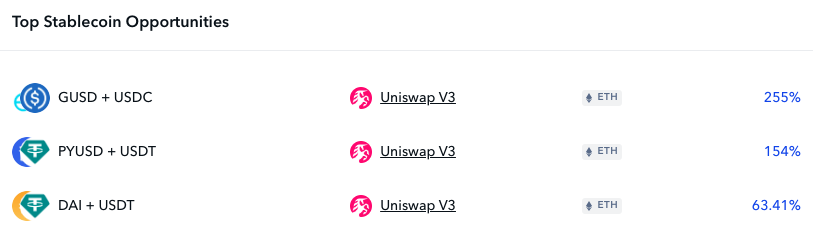

In this article, we’ll break down the mechanisms behind DeFi yields, uncovering the strategies, risks, and rewards involved.


What is DeFi?

DeFi, short for Decentralized Finance, refers to a financial ecosystem built on blockchain technology, allowing users to access financial services without intermediaries like banks or brokerages.

Key Financial Services in DeFi:

  1. Lending/Borrowing: Users lend their crypto to earn interest or borrow assets by providing collateral.
  2. Staking: Locking crypto assets in a protocol to earn returns and support network security.
  3. Liquidity Provision: Adding assets to liquidity pools on Decentralized Exchanges (DEXs) and earning fees.
  4. Yield Farming: Strategically using lending, borrowing, and liquidity provisioning to maximize returns.
  5. Decentralized Exchanges (DEXs): Platforms like Uniswap or SushiSwap enable token swaps without central authority.

These tools collectively create the fertile ground for DeFi yields, but the high returns often come with equally high risks.


The Mechanics Behind Insane DeFi APYs

How DeFi Achieves Such Huge Yields1. Liquidity Incentives

DeFi protocols often issue native tokens as rewards to liquidity providers. These tokens, such as CAKE (PancakeSwap) or UNI (Uniswap), are distributed as incentives to encourage users to deposit their assets into liquidity pools.

  • High APYs = Higher Risk: When native tokens are new and their value is speculative, protocols compensate with extremely high APYs to attract users.

2. Layer 2 Yield Farming

Layer 2 networks like Polygon (POLY) and Binance Smart Chain (BSC) reduce transaction costs and increase scalability, enabling smaller investors to participate in yield farming without excessive gas fees.

Start earning 60% a year with automated trading Free Sign Up
  • Examples of Layer 2 Yields:
    • PolyZap Finance (Polygon): APYs over 2,400%
    • Liquid Driver (Fantom): APYs around 1,800%

These platforms often compound returns, allowing users to reinvest their rewards automatically and grow their earnings exponentially.

3. Compounding Interest

Some yield farms offer compounded APYs, where returns are reinvested automatically to generate returns on previous earnings.

For example:

  • If you earn 100 tokens on Day 1 with a 1,000% APY, the next day’s yield is calculated on the new total (100 tokens + initial stake).

This snowball effect can lead to astronomical returns if token values remain stable.

4. Token Inflation

Many DeFi protocols rely on inflationary tokenomics, continuously minting native tokens to reward users. While this creates high APYs in the short term, it often leads to token devaluation over time as supply exceeds demand.


The Risks of High APYs in DeFi

1. Impermanent Loss (IL)

Liquidity providers can face impermanent loss if the value of deposited assets changes significantly while they are locked in a liquidity pool. If the token price crashes, even high APYs may not cover the loss.

2. Smart Contract Vulnerabilities

DeFi protocols rely on smart contracts, which, if not audited properly, may have vulnerabilities. Hackers often exploit these loopholes, leading to rug pulls or fund theft.

3. Fees Add Up

  • Connection Fees: Charged when connecting wallets to protocols.
  • Transaction Fees: Apply for deposits, withdrawals, and trades.
  • Pool Balancing Fees: When assets in a pool need rebalancing.

For active yield farmers, these fees can eat into profits significantly.

4. Native Token Volatility

Most high-yield protocols pay rewards in native tokens, which are often highly volatile. If the token’s price drops sharply, the promised APY becomes irrelevant.


DeFi Yields: A Blessing or a Curse?

The immense yields in DeFi are both an opportunity and a warning.

  • For Risk-Tolerant Users: High APYs on experimental protocols can deliver life-changing gains.
  • For Cautious Investors: Sticking to lower, stable APYs on trusted protocols (e.g., 20% on stablecoins) offers more predictable returns.

Key Takeaways for Investors:

  • Always research the project and verify audits before staking assets.
  • Diversify across different protocols to spread risk.
  • Avoid yield farms promising unrealistic returns (e.g., 1,000,000% APY).

Once More Unto the Breach

DeFi is one of the most dynamic and fast-paced sectors in the cryptocurrency world. For yield farmers, the key lies in balancing risk and reward while avoiding the trap of chasing sky-high APYs blindly.

While Ethereum-based protocols offer reliability and security, Layer 2 networks provide cost-efficiency and accessibility. In the end, understanding the mechanisms behind these yields and managing risks effectively is the path to sustainable profits in DeFi.